

# Common Warning Signs You Should Never Ignore
- May 9, 2026
- 0 Likes
- 41 Views
- 0 Comments
Introduction
Common Warning Signs You Should Never Ignore
Our body often gives warning signs before a serious illness develops. Ignoring these symptoms can lead to complications and delayed treatment. Early medical attention can improve recovery and even save lives.
Many diseases, including Heart Disease, Cancer, and Type 2 Diabetes, show early symptoms that people frequently overlook.
1. Chest Pain or Pressure
Common Warning Signs You Should Never Ignore
Chest pain should never be ignored, especially if it feels heavy, tight, or spreads to the arm, neck, or jaw.
Possible Causes
- Heart Disease
- High blood pressure
- Breathing problems
Seek Immediate Help If
- Pain lasts more than a few minutes
- You feel shortness of breath
- Sweating or dizziness occurs
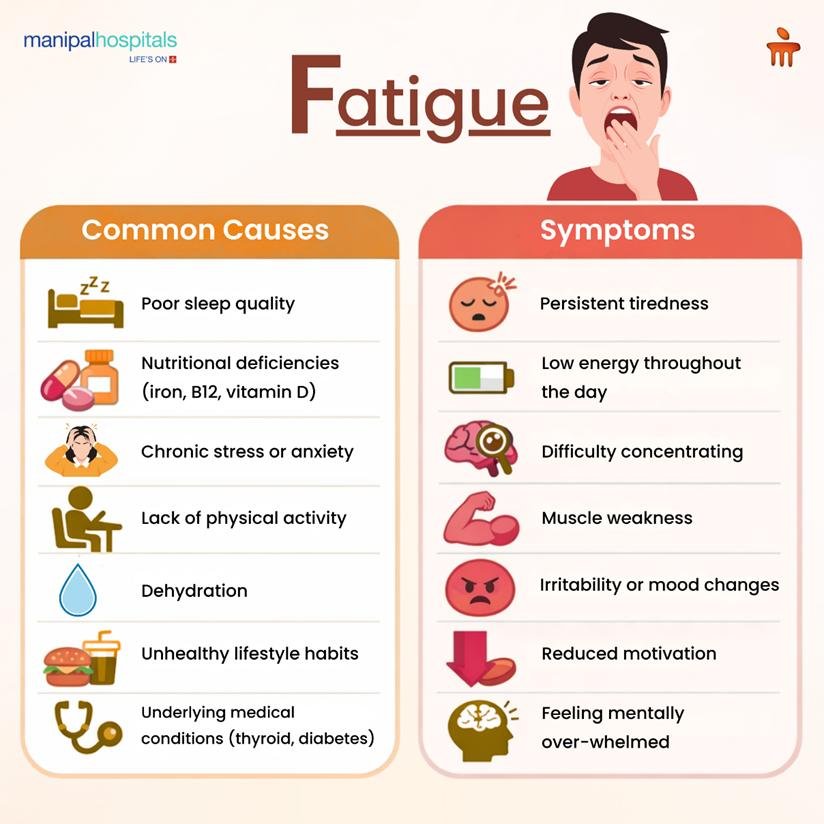
2. Constant Fatigue or Weakness
Common Warning Signs You Should Never Ignore
Feeling tired after hard work is normal, but continuous fatigue without reason may signal an underlying condition.
It May Indicate
- Anemia
- Type 2 Diabetes
- Sleep disorders
- Nutritional deficiencies
3. Sudden Weight Loss or Gain http://<a href=”https://yourwebsite.com/daily-medical-awareness”>Daily Medical Awareness Guide</a>.
Common Warning Signs You Should Never Ignore
Unexpected changes in body weight should be monitored carefully.
Possible Reasons
- Thyroid imbalance
- Digestive disorders
- Cancer
Rapid weight changes without lifestyle changes may require medical evaluation.
4. Frequent Headaches http://American Heart Association
Common Warning Signs You Should Never Ignore
Occasional headaches are common, but repeated or severe headaches should not be ignored.
Could Be Related To
- Stress or dehydration
- Migraine
- High blood pressure
- Neurological conditions
Seek medical help if headaches become severe or affect daily activities.
Importance of Regular Health Checkups
Regular health checkups are essential for detecting diseases early. Many serious conditions develop silently without noticeable symptoms in the beginning. Routine medical examinations help identify potential risks before they become severe.
Benefits of Health Checkups
- Early diagnosis of diseases
- Better treatment outcomes
- Reduced medical expenses
- Improved quality of life
Conditions like Type 2 Diabetes and Hypertension can often be managed effectively if detected early.
Healthy Lifestyle Habits That Prevent Diseases
A healthy lifestyle plays a major role in reducing health risks. Maintaining good habits improves both physical and mental well-being.
Simple Healthy Habits
- Eat balanced and nutritious meals
- Exercise for at least 30 minutes daily
- Stay hydrated
- Get enough sleep
- Avoid smoking and excessive alcohol
These habits help strengthen immunity and reduce the risk of chronic illnesses.
Mental Health Warning Signs
Mental health is equally important as physical health. Emotional and psychological changes should never be ignored.
Common Mental Health Symptoms
- Persistent sadness
- Anxiety or panic attacks
- Loss of motivation
- Difficulty concentrating
- Sleep disturbances
Seeking support early can improve recovery and overall quality of life.
Why Health Awareness Matters
Health awareness helps people make informed decisions about their well-being. It encourages preventive care, healthy living, and timely medical attention.
When individuals become more aware of symptoms and risks, communities become healthier and healthcare burdens decrease.
Emergency Symptoms That Need Immediate Attention
Some symptoms require urgent medical care and should never be ignored.
Seek Immediate Help If You Experience:
- Severe chest pain
- Sudden numbness or weakness
- Difficulty breathing
- High fever with confusion
- Loss of consciousness
Quick medical treatment can save lives during emergencies.
Daily Health Awareness Tips
Here are some simple ways to stay health-aware every day:
✔ Monitor your body changes
✔ Maintain personal hygiene
✔ Follow a healthy routine
✔ Schedule routine health screenings
✔ Consult a doctor when symptoms persist
Small daily efforts can prevent major health complications in the future.
5. High Fever That Doesn’t Go Away
A persistent fever may indicate infection or inflammation in the body.
Common Causes
- Influenza
- Tuberculosis
- Bacterial infections
6. Difficulty Breathing
Breathing problems should always be treated seriously.
Possible Causes
- Asthma
- Lung infections
- COVID-19
Emergency care may be needed if breathing becomes severely difficult.
7. Excessive Thirst or Frequent Urination
These symptoms may be early signs of Type 2 Diabetes.
Watch For
- Increased hunger
- Blurred vision
- Fatigue
Early detection helps prevent complications.
8. Unusual Bleeding or Bruising
Unexpected bleeding or bruising can indicate serious health issues.
Possible Causes
- Blood disorders
- Vitamin deficiencies
- Liver problems
Medical evaluation is important if symptoms continue.
9. Sudden Confusion or Memory Problems
Confusion, dizziness, or memory loss should not be ignored.
Could Indicate
- Stress or anxiety
- Neurological disorders
- Low blood sugar
Seek professional advice if symptoms become frequent.
10. Persistent Cough
A cough lasting more than two weeks may require medical attention.
Possible Conditions
- Tuberculosis
- Allergies
- Respiratory infections
When to See a Doctor Immediately
Seek urgent medical care if you experience:
- Severe chest pain
- Sudden breathing difficulty
- Loss of consciousness
- High fever with weakness
- Sudden numbness or paralysis
How to Reduce Health Risks
Healthy habits can help prevent many diseases:
- Eat nutritious food
- Exercise regularly
- Maintain hygiene
- Get regular health checkups
- Sleep properly
Conclusion
Your body gives warning signs for a reason. Paying attention to symptoms and seeking early medical care can prevent serious complications. Never ignore persistent or unusual changes in your health.


Leave Your Comment