

What is Depression?
depression symptomshttps://www.who.int/news-room/fact-sheets/detail/depression
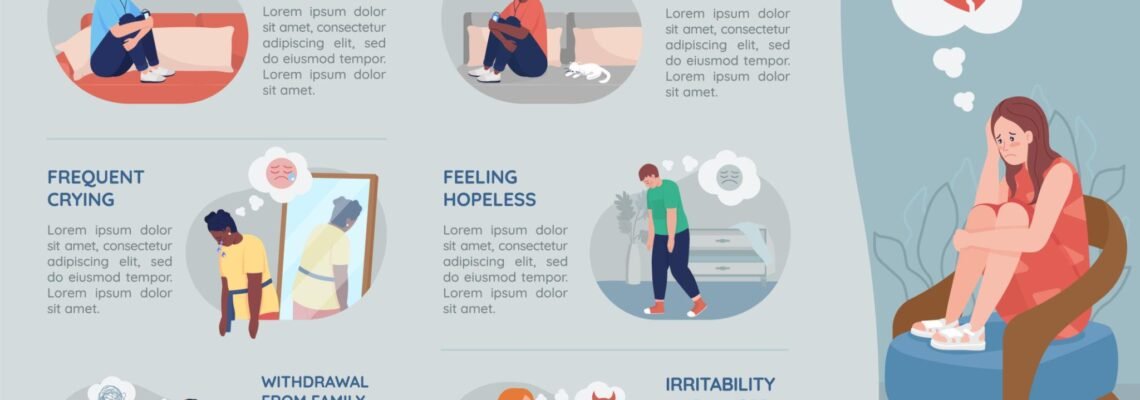
Depression is a common mental health condition that affects how a person feels, thinks, and behaves. It’s more than just feeling sad or having a bad day—it can last for weeks or months and interfere with daily life, school, relationships, and motivation.
In India, depression is becoming increasingly common among students due to academic pressure, social media comparison, and lifestyle changes.
Common Symptoms of Depression
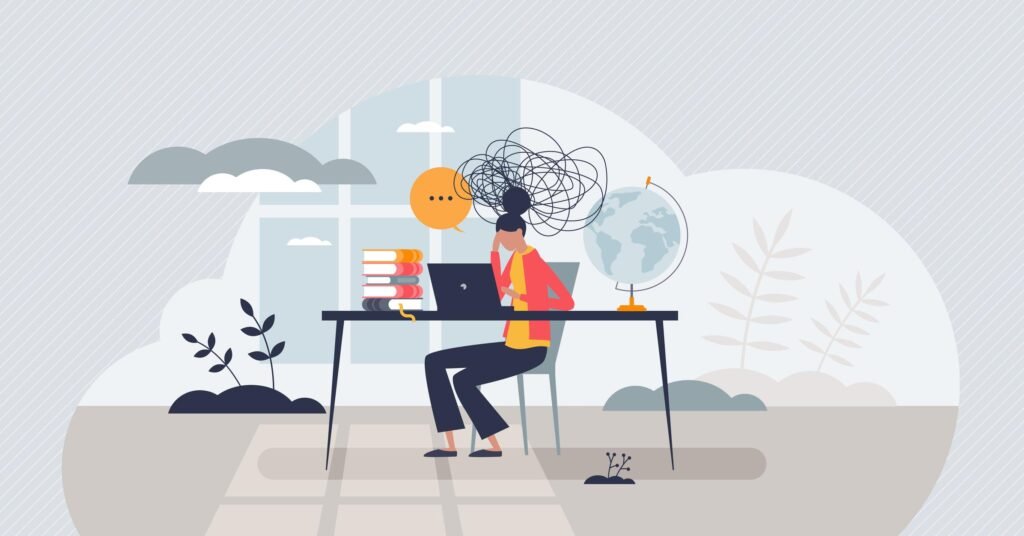
Recognizing early signs can help in getting support sooner. Some common symptoms include:
- Persistent sadness or low mood
- Loss of interest in hobbies or activities
- Feeling tired or having low energy
- Difficulty concentrating or making decisions
- Changes in sleep (too much or too little)
- Changes in appetite
- Feeling worthless or guilty
If these symptoms last more than 2 weeks, it’s important to take them seriously.
depression symptoms
Causes of Depression
Depression doesn’t have a single cause—it can result from a combination of factors:
depression symptoms
Biological Factors
- Chemical imbalance in the brain
- Family history of mental health conditions
Psychological Factors
- Negative thinking patterns
- Low self-esteem
Social & Lifestyle Factors
- Academic stress (especially students)
- Social media pressure
- Relationship issues
- Lack of sleep and unhealthy routine
Why Students Are More Affected
Students today face unique challenges:
- High competition and exam pressure
- Fear of failure
- Comparison on social media
- Lack of proper mental health awareness
This makes student-focused mental health content very important.
Effective Ways to Manage Depression
Managing depression takes time, but small steps can make a big difference:
Talk to Someone
Sharing your feelings with a trusted friend, parent, or teacher can reduce emotional burden.
Stay Active
Physical activity like walking, yoga, or sports helps improve mood naturally.
Practice Mindfulness
Meditation and breathing exercises help calm the mind and reduce stress.
Limit Screen Time
Too much social media can increase negative thoughts and comparison.
Improve Sleep Routine
Aim for 7–8 hours of quality sleep daily.
Treatment Options/anxiety-stress-management-tips
Depending on the severity, depression can be treated through:
- Counseling or therapy
- Lifestyle changes
- Medication (only prescribed by a doctor)
Professional help is always recommended if symptoms are severe or long-lasting.
Depression vs Stress vs Anxiety
People often confuse these conditions:
- Stress: Temporary pressure (e.g., exams)
- Anxiety: Constant worry or fear
- Depression: Long-term emotional and mental low state
Understanding the difference helps in choosing the right solution.
Impact of Depression on Daily Life
Untreated depression symptoms can affect:
- Academic performance
- Relationships
- Physical health
- Motivation and goals
Over time, it can reduce confidence and decision-making ability.
Daily Routine to Fight Depression
A structured routine can significantly reduce depression symptoms:
Morning
- Wake up early
- Light exercise or stretching
- Avoid phone for first 30 minutes
Daytime
- Focus on small, achievable tasks
- Take breaks between study/work
Night
- Reduce screen time
- Practice gratitude journaling
- Sleep on time
Role of Diet in Mental Health
What you eat affects how you feel.
Helpful Foods
- Fruits and vegetables
- Nuts and seeds
- Whole grains
Avoid
- Junk food
- Excess sugar
- Too much caffeine
- A balanced diet supports brain health and reduces depression symptoms.
Supporting Someone with Depression
If someone you know is struggling:
- Listen without judging
- Encourage them to talk
- Suggest professional help gently
- Be patient and supportive
Small support can make a big difference.
Myths vs Facts
Myth: Depression is just sadness
Fact: It’s a serious mental health condition
Myth: Only weak people get depression
Fact: Anyone can experience it Myth: It goes away on its own
Fact: It often needs support and treatment
Long-Term Recovery Tips
- Build a positive environment
- Set realistic goals
- Stay socially connected
- Practice self-compassion
Recovery is gradual—but possible.


Leave Your Comment