

Description
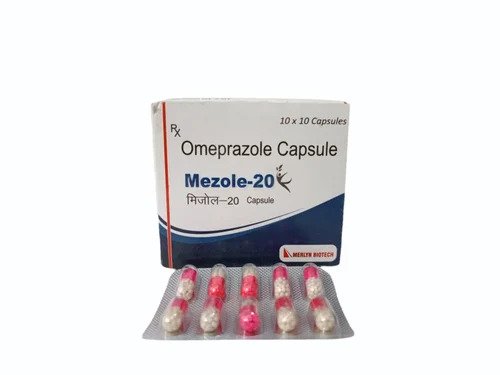
Omeprazole capsule uses are incredibly varied, spanning a wide range of common digestive and chronic gastrointestinal conditions. This makes it one of the most frequently recommended medications globally for acid control. If you struggle with severe, painful heartburn or chronic acid reflux, understanding how this medicine functions can help you manage your treatment safely.
Omeprazole belongs to a highly effective class of medications called Proton Pump Inhibitors (PPIs). It works at the cellular level by blocking the tiny “acid pumps” located directly within your stomach lining. By turning down these pumps, the drug drastically lowers the volume of hydrochloric acid your stomach secretes, allowing your internal tissues the essential time they need to heal.
Primary Medical Conditions Treated
Doctors rely on several key Omeprazole capsule uses to target chronic and acute digestive pain:
-
Gastroesophageal Reflux Disease (GERD): Commonly known as severe acid reflux, GERD occurs when harsh stomach acid continuously leaks back upward into your esophagus. This causes a painful, burning sensation known as heartburn. Omeprazole prevents this backward flow, protecting delicate esophageal tissues from chronic inflammation.
-
Peptic and Duodenal Ulcers: Active sores can develop in the sensitive lining of your stomach or the upper section of your small intestine (the duodenum). A major use of this medicine is to protect these open wounds from biting acid, creating a safe environment for the lining to completely regenerate.
-
Erosive Esophagitis: Over prolonged periods, severe acid reflux can strip away the lining of the throat. PPIs are utilized to heal this painful tissue erosion.
-
Zollinger-Ellison Syndrome: This is a rare medical condition where specialized tumors trigger the stomach to create an dangerously excessive amount of acid. High-dose PPI therapy effectively controls this overproduction.
-
H. pylori Bacterial Infections: When ulcers are caused by a Helicobacter pylori bacterial infection, this capsule is paired directly alongside powerful antibiotics to eliminate the bacteria completely.
Proper Administration Checklist
To maximize the efficacy of your treatment, you must follow strict consumption guidelines:
-
Empty Stomach Timing: Always take your capsule first thing in the morning, approximately 30 to 60 minutes before eating breakfast. Food activates the stomach’s proton pumps, so the medication needs to be absorbed beforehand to block them effectively.
-
Swallow Whole: Never crush, chew, or open the delayed-release capsule. The tiny granules inside are shielded by an enteric coating designed to survive your harsh stomach acids so the medicine can safely deploy in your intestines.
Potential Side Effects and Safety Rules
While the primary Omeprazole capsule uses provide profound physical relief, patients should remain aware of potential side effects. Mild symptoms may include temporary headaches, minor stomach discomfort, flatulence, or mild bouts of diarrhea.
Long-Term Treatment Advisory: Omeprazole is intended for short-term healing cycles, typically lasting between 2 to 8 weeks. Prolonged use stretching into months or years without direct medical oversight can compromise your body’s ability to absorb vital nutrients, leading to unexpected deficiencies in Vitamin B12, calcium, and magnesium.






Reviews
There are no reviews yet.