

10 Warning Signs of High Blood Pressure You Should Never Ignore
- June 2, 2026
- 0 Likes
- 31 Views
- 0 Comments
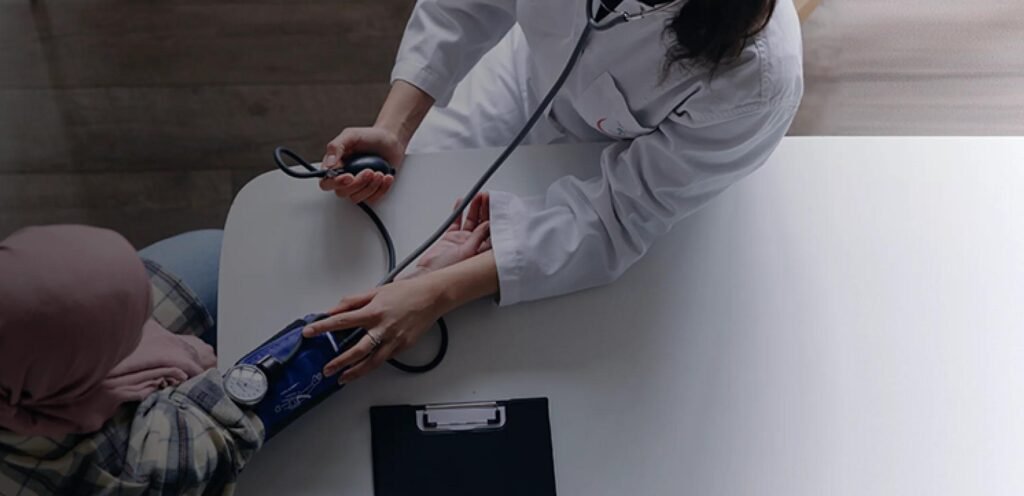
High blood pressure, also known as hypertension, affects millions of people worldwide and is often called the “silent killer.” Many people have high blood pressure without realizing it because symptoms may not appear until serious health complications develop.
If left untreated, high blood pressure can increase the risk of heart disease, stroke, kidney disease, and other life-threatening conditions.
In this guide, we’ll discuss the 10 warning signs of high blood pressure you should never ignore and when to seek medical attention.
What Is High Blood Pressure?
Blood pressure measures the force of blood pushing against the walls of your arteries.
A healthy blood pressure reading is generally around:
120/80 mmHg
High blood pressure occurs when readings consistently remain above normal levels.
1. Frequent Headaches
Why It Happens
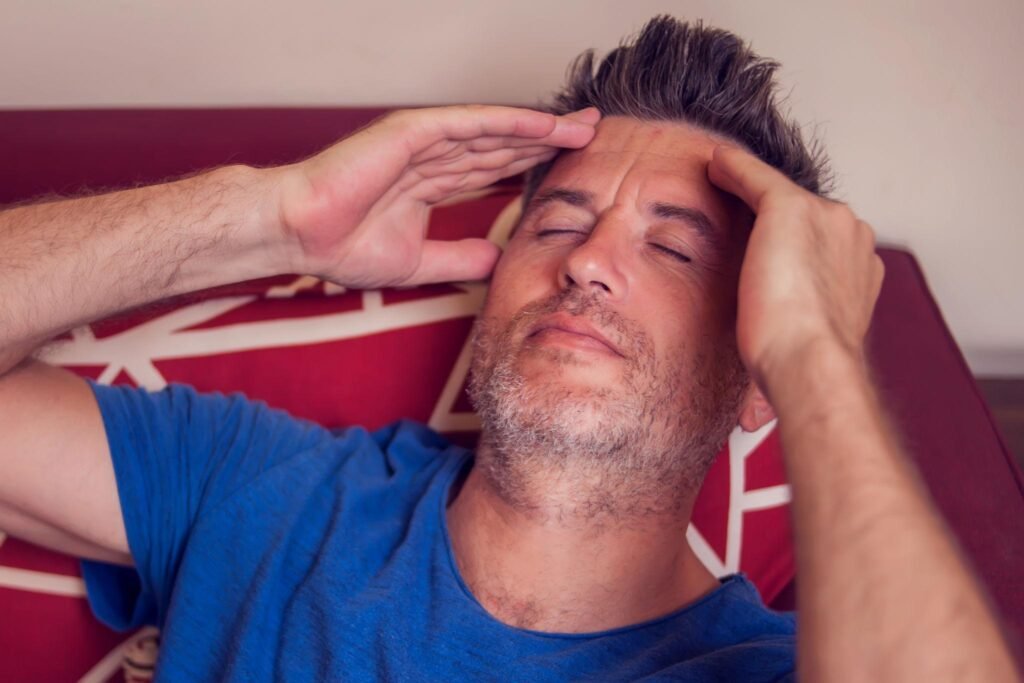
High blood pressure can affect blood flow in the brain, leading to recurring headaches.
Common Symptoms
- Morning headaches
- Pressure around the head
- Persistent pain
⚠️ Severe headaches should never be ignored.
2. Dizziness or Lightheadedness
Feeling dizzy occasionally may not be serious, but frequent dizziness can be associated with high blood pressure.
Symptoms
- Loss of balance
- Feeling faint
- Sudden lightheadedness
3. Blurred Vision
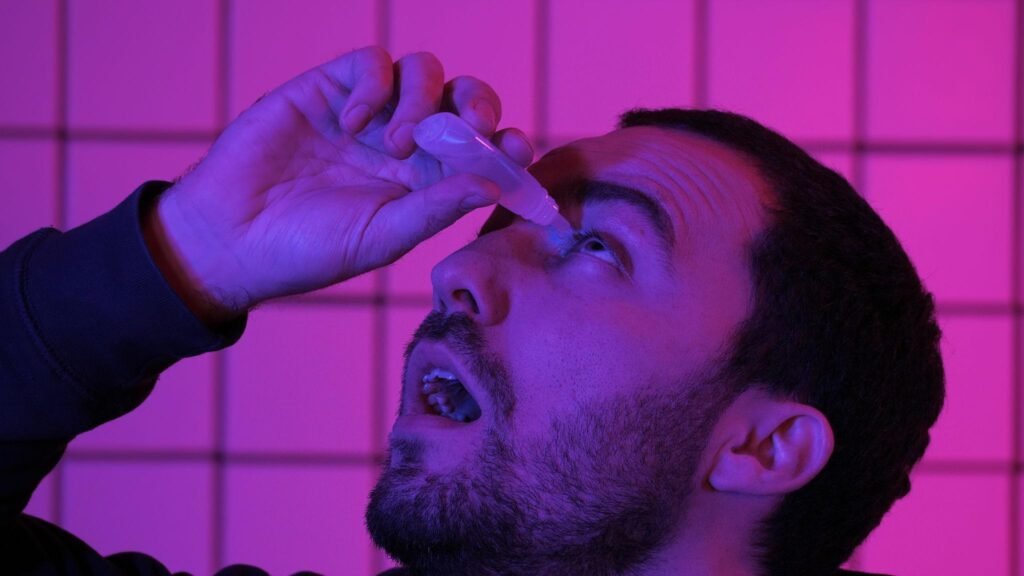
High blood pressure can damage blood vessels in the eyes.
Symptoms
- Difficulty focusing
- Blurry vision
- Eye strain
Regular eye exams can help detect these changes early.
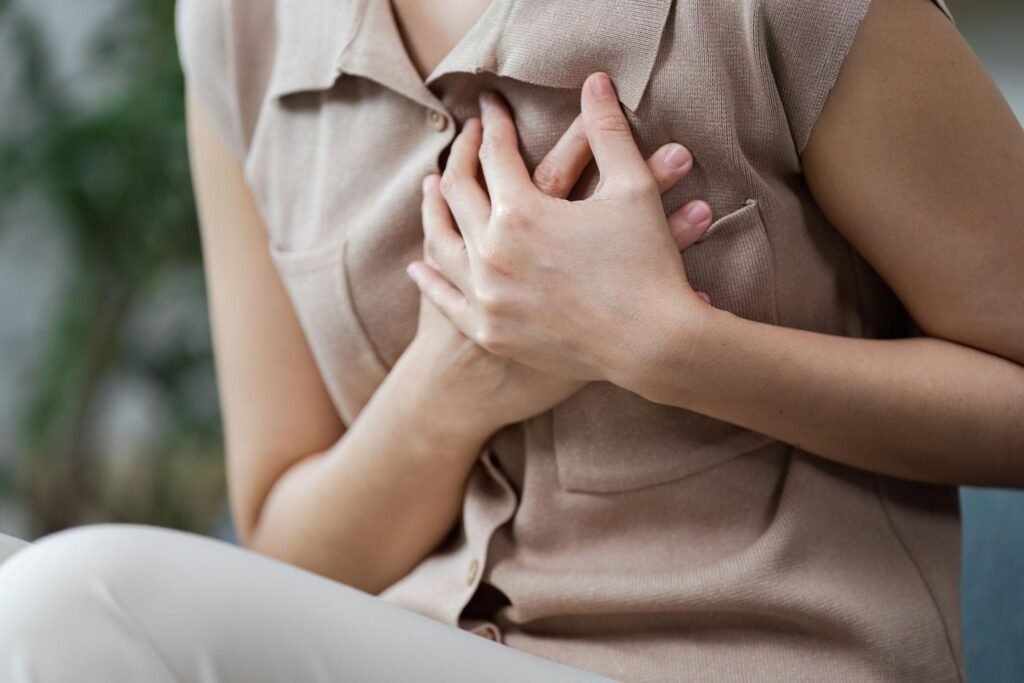
4. Chest Pain
Chest discomfort may indicate your heart is under stress.
Symptoms
- Tightness in the chest
- Pressure sensation
- Pain during physical activity
🚨 Seek immediate medical attention if chest pain occurs suddenly.
5. Shortness of Breath
Difficulty breathing may be linked to cardiovascular problems caused by hypertension.
Symptoms
- Breathlessness during activity
- Difficulty climbing stairs
- Feeling winded easily
6. Irregular Heartbeat
Some individuals experience heart palpitations due to high blood pressure.
Symptoms
- Racing heartbeat
- Fluttering sensation
- Skipped beats
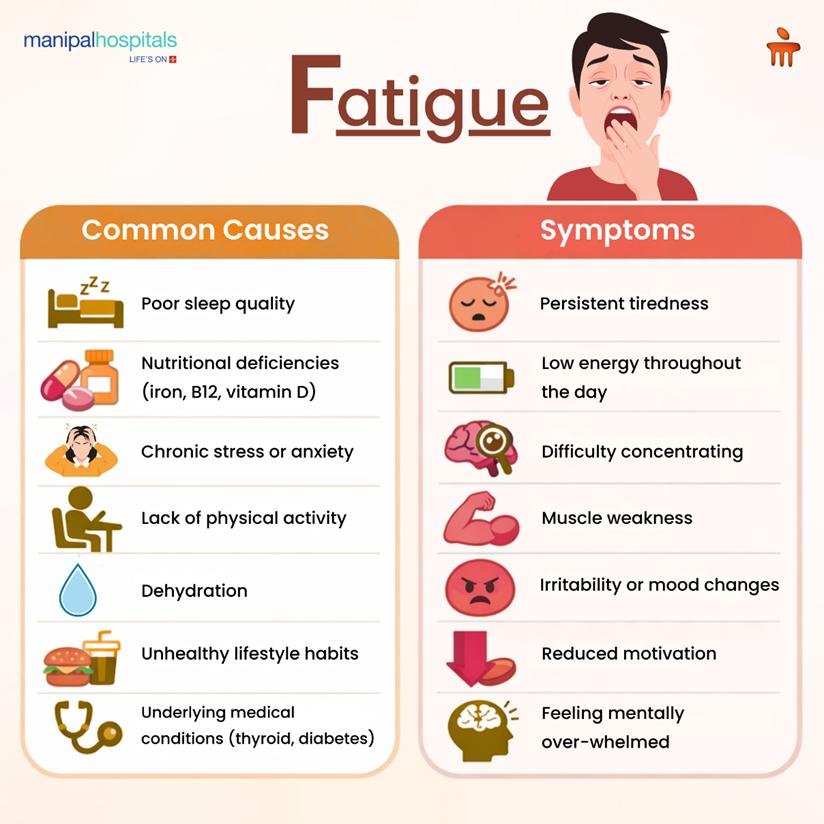
7. Constant Fatigue
Poor circulation can leave you feeling tired even after adequate rest.
Symptoms
- Low energy levels
- Lack of motivation
- Persistent exhaustion
8. Frequent Nosebleeds
Although not always caused by hypertension, frequent nosebleeds can sometimes be associated with uncontrolled blood pressure.
Symptoms
- Repeated nosebleeds
- Difficulty stopping bleeding
9. Difficulty Concentrating
Reduced blood flow and cardiovascular stress may affect cognitive function.
Symptoms
- Memory problems
- Difficulty focusing
- Mental fog
10. Blood in Urine
In severe cases, high blood pressure can damage the kidneys.
Symptoms
- Pink or red urine
- Kidney-related discomfort
🚨 Consult a healthcare professional immediately if this occurs.
Who Is at Risk of High Blood Pressure?
Certain factors increase your risk of developing hypertension:
✅ Age over 40
✅ Family history of hypertension
✅ Obesity
✅ Smoking
✅ Diabetes
✅ High salt intake
✅ Physical inactivity
Complications of Untreated High Blood Pressure
Ignoring hypertension can lead to serious health problems, including:
- Heart attack
- Stroke
- Kidney disease
- Heart failure
- Vision loss
- Cognitive decline
Early diagnosis and treatment are essential.
How to Prevent High Blood Pressure
Eat a Heart-Healthy Diet
Focus on:
- Fruits and vegetables
- Whole grains
- Lean proteins
- Healthy fats
Related Article:
👉 Read our guide on 10 Best Foods for Diabetes Patients to Control Blood Sugar Naturally.
Exercise Regularly
Aim for at least:
150 minutes of moderate physical activity per week
Examples include:
- Walking
- Cycling
- Swimming
Reduce Salt Intake
Excess sodium can increase blood pressure.
Try to:
- Avoid processed foods
- Read food labels
- Choose low-sodium alternatives
Maintain a Healthy Weight
Losing excess weight can significantly improve blood pressure levels.
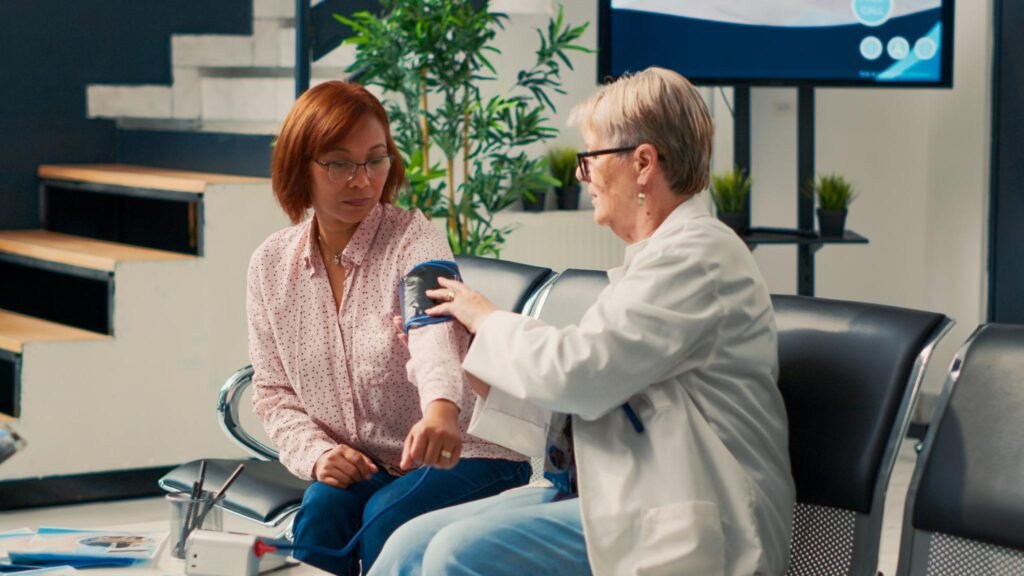
Get Regular Health Checkups
Regular screenings can help detect hypertension before complications occur.
Related Article:
👉 Read our guide on 10 Life-Saving Health Checkups Every Adult Should Get Every Year.
When Should You See a Doctor?
Consult a healthcare professional if you experience:
- Persistent headaches
- Chest pain
- Shortness of breath
- Vision problems
- High blood pressure readings
Early medical attention can prevent serious complications.
Quick Summary Table
| Warning Sign | Possible Concern |
|---|---|
| Headaches | Increased blood pressure |
| Dizziness | Circulation issues |
| Blurred Vision | Eye damage |
| Chest Pain | Heart strain |
| Shortness of Breath | Cardiovascular stress |
| Irregular Heartbeat | Heart rhythm issues |
| Fatigue | Poor circulation |
| Nosebleeds | Uncontrolled hypertension |
| Difficulty Concentrating | Reduced blood flow |
| Blood in Urine | Kidney damage |

Conclusion
High blood pressure is a serious condition that often develops without obvious symptoms. Understanding the 10 warning signs of high blood pressure you should never ignore can help you seek medical attention early and protect your long-term health.
Regular health checkups, a healthy diet, exercise, and lifestyle changes can significantly reduce your risk of hypertension and its complications.
Take your heart health seriously and monitor your blood pressure regularly.
Frequently Asked Questions (FAQs)
Can high blood pressure have no symptoms?
Yes. Many people with hypertension experience no symptoms, which is why regular blood pressure checks are important.
What is considered high blood pressure?
Blood pressure readings consistently above 130/80 mmHg may indicate hypertension.
Can stress cause high blood pressure?
Stress can temporarily increase blood pressure and contribute to long-term cardiovascular problems.
How often should I check my blood pressure?
Adults should check their blood pressure regularly, especially if they have risk factors for hypertension.
Can diet help lower blood pressure?
Yes. A healthy diet rich in fruits, vegetables, and whole grains can support healthy blood pressure levels.
A healthy diet can help reduce the risk of hypertension and heart disease. Read our guide on 10 Best Foods for Diabetes Patients to Control Blood Sugar Naturally for healthy food recommendations.
blogs – /https://mediconnectcare.com/best-foods-for-diabetes-patients/
Trusted Health Resources
For more information about hypertension and heart health, visit these trusted organizations:

Leave Your Comment