


Vitamin D is one of the most important nutrients for maintaining strong bones, supporting the immune system, and promoting overall health. Despite its importance, vitamin D deficiency is extremely common worldwide.
Many people experience symptoms without realizing that low vitamin D levels may be the cause. Recognizing the warning signs early can help prevent serious health complications.
In this guide, we’ll discuss the 10 signs of vitamin D deficiency you should never ignore, along with practical tips to improve your vitamin D levels.
Why Is Vitamin D Important?
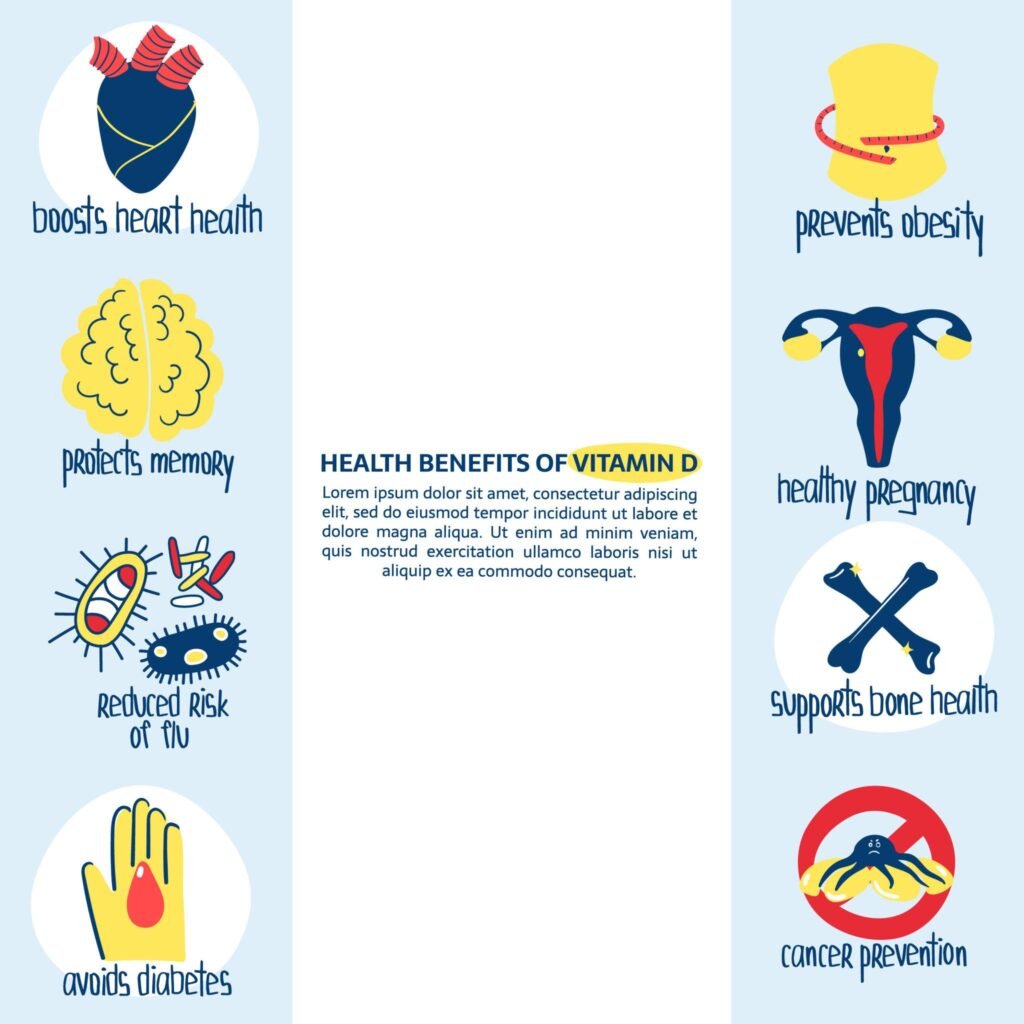
Vitamin D helps your body:
✅ Absorb calcium
✅ Maintain strong bones and teeth
✅ Support immune function
✅ Improve muscle strength
✅ Promote overall wellness
Low vitamin D levels can affect many areas of your health.
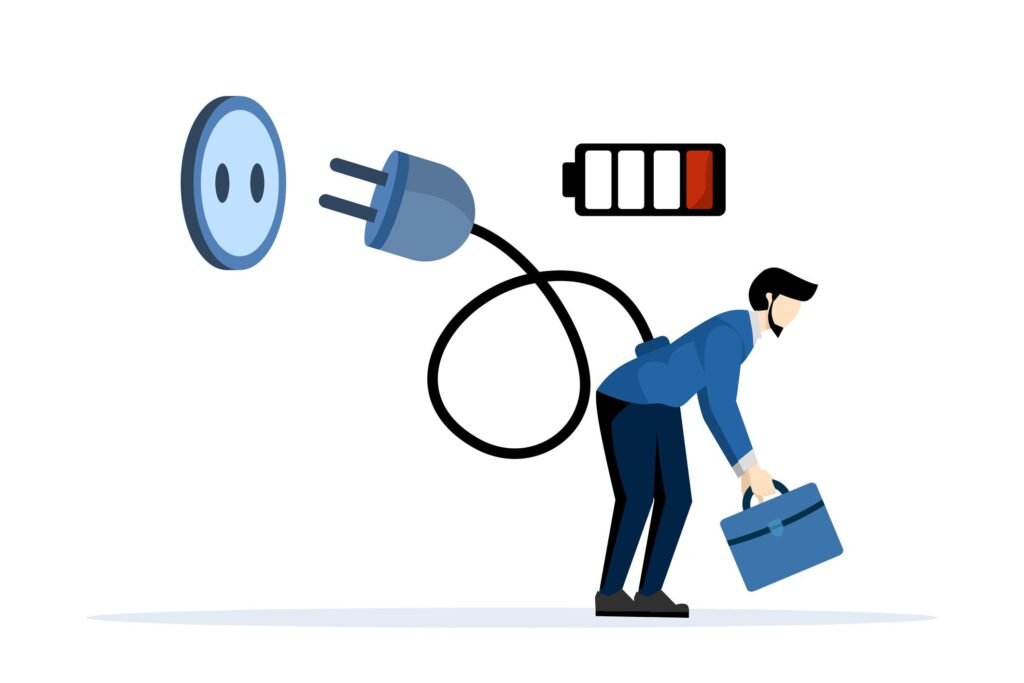
1. Constant Fatigue
Feeling tired all the time is one of the most common signs of vitamin D deficiency.
Symptoms
- Low energy levels
- Feeling exhausted after simple tasks
- Difficulty concentrating
If fatigue persists despite adequate rest, vitamin D deficiency may be contributing.
2. Bone and Joint Pain
Vitamin D plays a key role in bone health.
Symptoms
- Aching bones
- Joint discomfort
- Pain while walking or exercising
Low vitamin D levels can weaken bones over time.
3. Muscle Weakness
Vitamin D supports healthy muscle function.
Symptoms
- Difficulty climbing stairs
- Reduced strength
- Increased risk of falls
Muscle weakness can affect both younger and older adults.
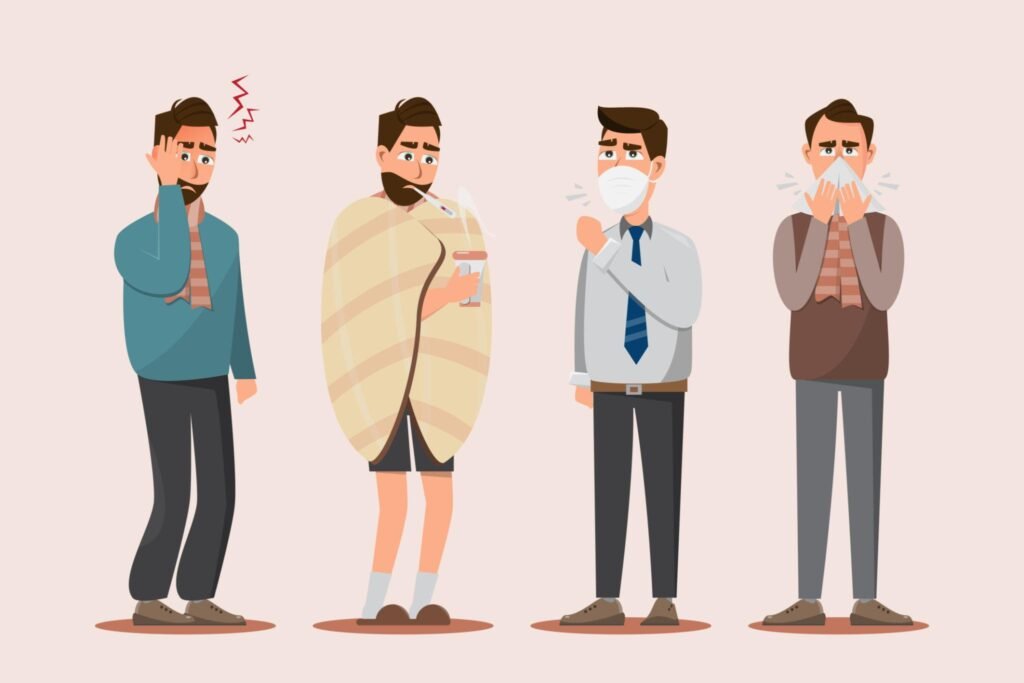
4. Frequent Illness and Infections
Vitamin D helps strengthen the immune system.
Symptoms
- Frequent colds
- Repeated infections
- Longer recovery times
People with low vitamin D levels may get sick more often.
5. Chronic Back Pain
Persistent back pain may sometimes be linked to vitamin D deficiency.
Symptoms
- Lower back pain
- Ongoing discomfort
- Reduced mobility
Studies have shown a connection between low vitamin D levels and chronic pain.
6. Slow Wound Healing
Cuts and injuries may take longer to heal when vitamin D levels are low.
Symptoms
- Delayed recovery
- Slow skin repair
- Increased inflammation
7. Hair Loss
Excessive hair shedding can sometimes be associated with vitamin D deficiency.
Symptoms
- Thinning hair
- Increased hair fall
- Reduced hair growth
If hair loss becomes severe, consult a healthcare professional.
8. Mood Changes and Depression
Vitamin D may influence mood regulation.
Symptoms
- Low mood
- Irritability
- Increased feelings of sadness
Maintaining healthy vitamin D levels may support emotional well-being.

9. Poor Sleep Quality
Many people with low vitamin D levels report sleep-related issues.
Symptoms
- Difficulty falling asleep
- Frequent nighttime waking
- Feeling tired after sleep
10. Increased Risk of Fractures
Vitamin D helps the body absorb calcium, which is essential for strong bones.
Symptoms
- Weak bones
- Frequent fractures
- Increased risk of osteoporosis
This is especially important for older adults.
How to Increase Vitamin D Naturally
Get Safe Sunlight Exposure
Spending time outdoors allows your body to produce vitamin D naturally.
Tip
Aim for 10–30 minutes of sunlight several times per week, depending on your skin type and location.
Eat Vitamin D-Rich Foods

Include foods such as:
- Fatty fish (salmon, tuna, mackerel)
- Egg yolks
- Fortified milk
- Fortified cereals
- Mushrooms
Consider Supplements
Vitamin D supplements may be recommended if blood tests show low levels.
Always consult a healthcare professional before starting supplements.
Who Is at Risk of Vitamin D Deficiency?
People at higher risk include:
- Older adults
- Individuals who spend little time outdoors
- People with darker skin tones
- Individuals with certain medical conditions
- People living in areas with limited sunlight
Quick Summary Table
| Sign | Common Symptoms |
|---|---|
| Fatigue | Low energy |
| Bone Pain | Aching bones |
| Muscle Weakness | Reduced strength |
| Frequent Illness | Repeated infections |
| Back Pain | Chronic discomfort |
| Slow Healing | Delayed recovery |
| Hair Loss | Excessive shedding |
| Mood Changes | Depression, irritability |
| Poor Sleep | Sleep difficulties |
| Fractures | Weak bones |
Related Health Articles
- 10 Best Foods for Diabetes Patients to Control Blood Sugar Naturally
- 10 Life-Saving Health Checkups Every Adult Should Get Every Year
- 10 Warning Signs of High Blood Pressure You Should Never Ignore
- How Much Water Should You Drink Daily? Complete Health Guide
Trusted Health Resources
- World Health Organization (WHO)
- National Institutes of Health (NIH)
- Centers for Disease Control and Prevention (CDC)

Trusted Health Resources
For more information about vitamin D and overall health, visit:
Centers for Disease Control and Prevention (CDC)
World Health Organization (WHO)
National Institutes of Health (NIH) Vitamin D Fact Sheet
Conclusion
Recognizing the signs of vitamin D deficiency early can help protect your health and prevent long-term complications. If you experience symptoms such as fatigue, muscle weakness, bone pain, or frequent illness, consider discussing vitamin D testing with your healthcare provider.
A combination of healthy eating, safe sunlight exposure, and regular health checkups can help maintain optimal vitamin D levels and support overall wellness.
Frequently Asked Questions (FAQs)
What are the most common signs of vitamin D deficiency?
Fatigue, bone pain, muscle weakness, frequent illness, and mood changes are among the most common symptoms.
Can vitamin D deficiency cause hair loss?
Yes, low vitamin D levels may contribute to excessive hair shedding in some individuals.
How can I increase vitamin D naturally?
Sunlight exposure, vitamin D-rich foods, and supplements (when recommended) can help improve vitamin D levels.
Who is most at risk of vitamin D deficiency?
Older adults, people with limited sun exposure, and individuals with certain health conditions are at higher risk.
How is vitamin D deficiency diagnosed?
A simple blood test can measure vitamin D levels and help determine whether treatment is needed.
For more that type of blogs go to – https://mediconnectcare.com/health-blogs/

Leave Your Comment