

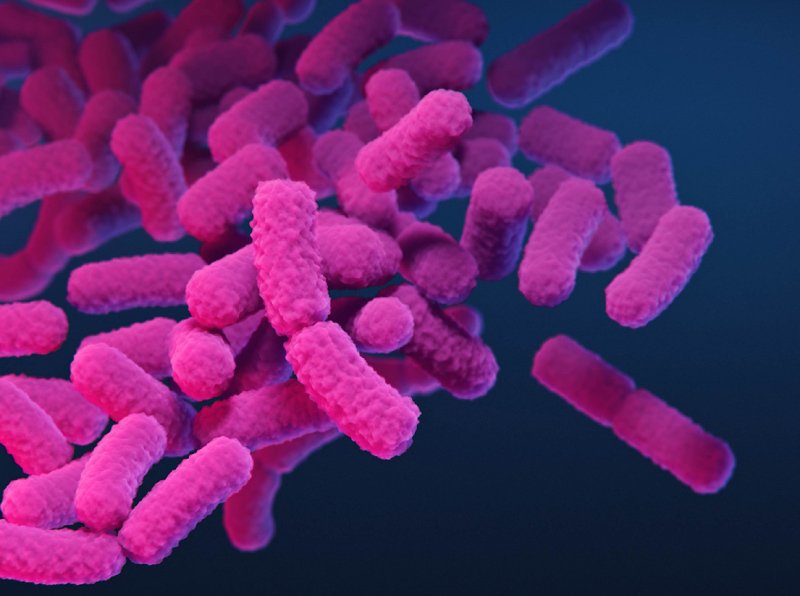

Antibiotics are powerful medicines that treat bacterial infections like pneumonia, urinary tract infections, and some skin infections. However, misuse and overuse of these drugs have led to a serious problem called antibiotic resistance.
What Is Antibiotic Resistance?
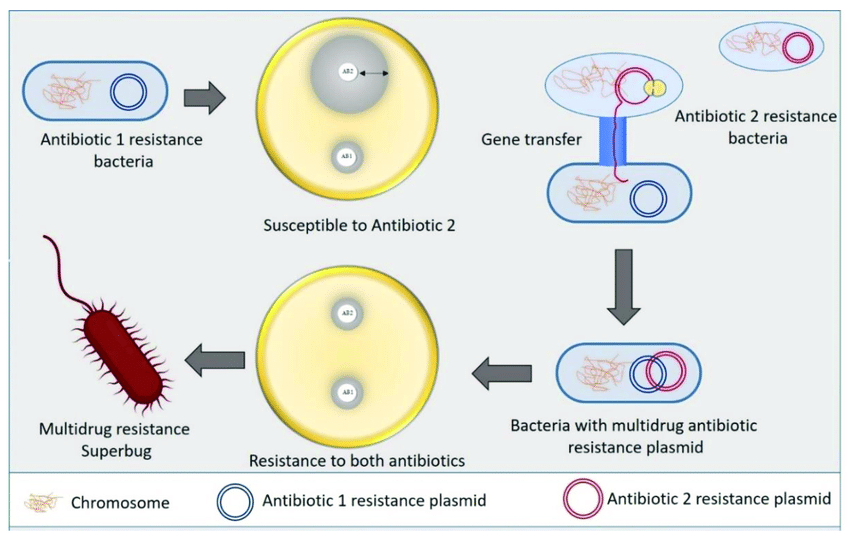
Antibiotic resistance happens when bacteria change and become strong enough to survive medicines that were previously able to kill them. Over time:
- Infections become harder and more expensive to treat
- Hospital stays become longer
- The risk of complications and death increases
This does not mean your body becomes resistant; it is the bacteria that change and stop responding to the medicines.
How Do Everyday Habits Make It Worse?
Resistance grows faster when:
- People take antibiotics for viral infections like the common cold or flu (where they do not work at all)
- Patients stop taking antibiotics halfway as soon as they “feel better,” instead of completing the full course
- Antibiotics are used in animals for growth promotion instead of real medical need
Because of this, some common infections are already becoming difficult to treat in many countries.
What Can Individuals Do?
Everyone can help slow down antibiotic resistance by:
- Only taking antibiotics when prescribed by a qualified doctor
- Never demanding antibiotics for colds, sore throats, or viral fevers
- Completing the full course as directed, even if symptoms improve
- Never sharing leftover antibiotics with others
Doctors, pharmacists, hospitals, and governments also need strong policies and surveillance, but individual responsibility is a big part of the solution.
Suggested Images for This Blog
- A close-up illustration of bacteria or microbes under a microscope
- A doctor holding a prescription pad, talking seriously with a patient
- An educational graphic showing “Do’s and Don’ts” of antibiotic use


Leave Your Comment