

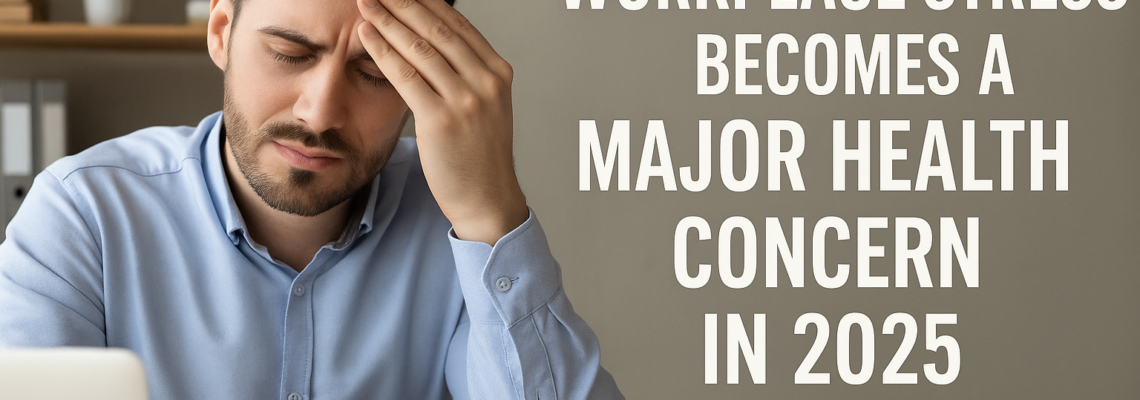
Workplace Stress Becomes a Major Health Concern in 2025
- December 15, 2025
- 0 Likes
- 18 Views
- 0 Comments

Workplace Stress Emerges as a Serious Health Issue in 2025
Workplace stress has become a major health concern in 2025 as employees across industries face increasing pressure, long working hours, and rising performance expectations. Health experts and organizations are now recognizing that unmanaged work-related stress can significantly affect both mental and physical well-being.
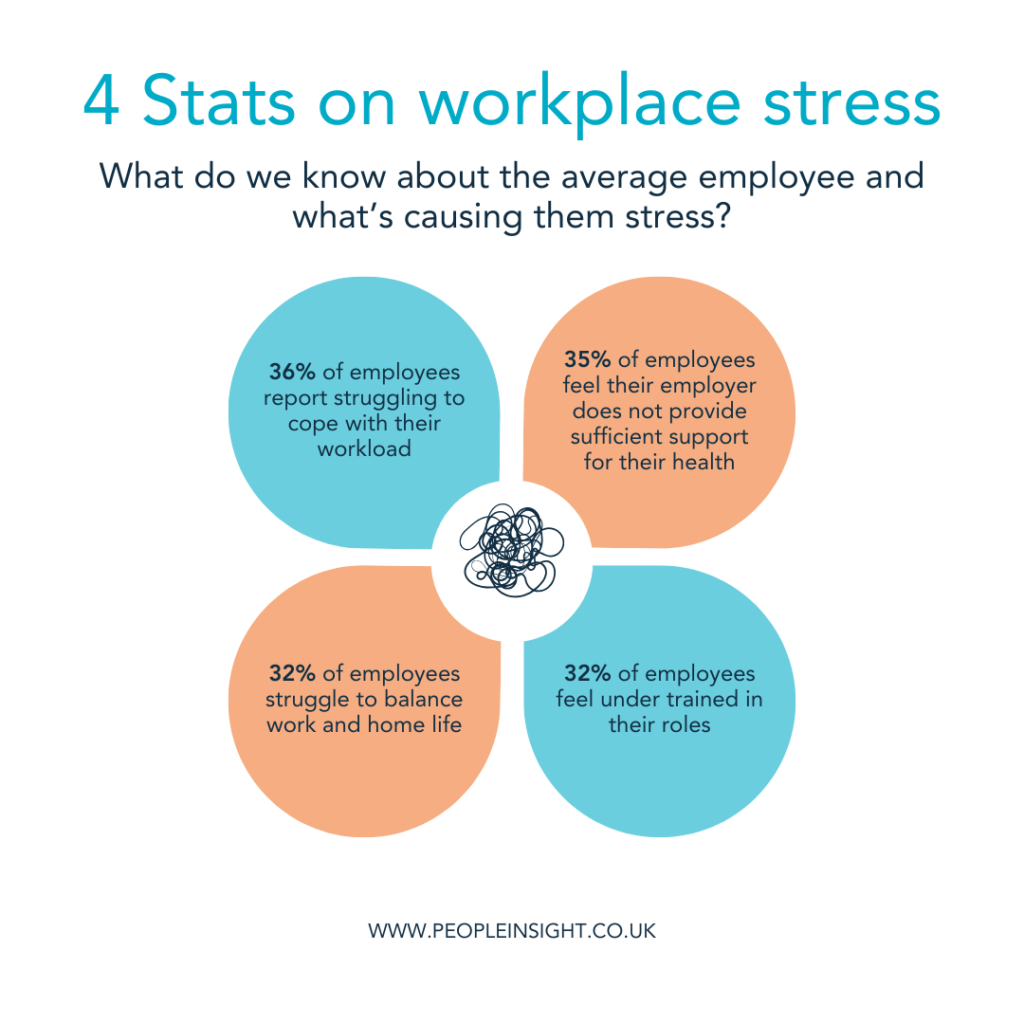
With changing work environments, digital overload, and constant connectivity, employees are finding it harder to maintain a healthy work-life balance.
Why Workplace Stress Is Increasing
Several factors are contributing to the rise of workplace stress in 2025:
- Long working hours and tight deadlines
- Job insecurity and performance pressure
- Remote and hybrid work challenges
- Lack of clear boundaries between work and personal life
- Constant digital communication and notifications
These factors have made stress a daily experience for many working professionals.
Health Impact of Workplace Stress
Health experts warn that prolonged workplace stress can negatively affect overall health. Common effects linked to high stress levels include:
- Mental exhaustion and burnout
- Sleep disturbances
- Reduced concentration and productivity
- Anxiety and emotional fatigue
- Increased risk of lifestyle-related health issues
When stress is ignored for long periods, it can impact both personal and professional life.
Mental Health Awareness in Workplaces Is Growing
In response to rising workplace stress, many organizations are focusing on mental health awareness. Employers are introducing wellness programs, stress management workshops, and employee support initiatives.
Mental health days, flexible working policies, and open conversations about emotional well-being are becoming more common in progressive workplaces.
Role of Digital Healthcare in Managing Workplace Stress
Digital healthcare platforms are playing an important role in addressing workplace stress. Through online doctor consultation and mental health resources, employees can access professional guidance discreetly and conveniently.
Such platforms help reduce hesitation around seeking support and encourage early intervention before stress becomes severe.
Workplace Stress Among Young Professionals
Young professionals are among the most affected groups when it comes to workplace stress. Career uncertainty, competition, and pressure to perform contribute to emotional strain.
Experts emphasize the importance of awareness and healthy coping mechanisms for young employees to prevent long-term health issues.
Importance of Employer Responsibility
Organizations play a critical role in reducing workplace stress. Supportive leadership, realistic workloads, and a positive work culture can significantly lower stress levels.
Employers who prioritize employee well-being often see improved morale, productivity, and job satisfaction.
Awareness and Prevention Are Key
Raising awareness about workplace stress is essential for prevention. When employees recognize early signs of stress, they are more likely to seek support and adopt healthier habits.
Simple steps such as taking regular breaks, maintaining boundaries, and accessing professional help can make a positive difference.
Conclusion
Workplace stress has clearly emerged as a major health concern in 2025. As awareness continues to grow, individuals and organizations alike must take proactive steps to support mental well-being. Addressing workplace stress early can help build healthier, more productive work environments for the future.

Workplace Stress and Its Impact on Productivity
Workplace stress does not only affect employee health but also has a direct impact on productivity. High stress levels can reduce focus, decision-making ability, and overall work performance. Employees experiencing constant pressure often struggle to stay motivated, which can lead to increased absenteeism and job dissatisfaction.
Organizations that fail to address workplace stress may face higher turnover rates and reduced team morale. Health experts suggest that recognizing stress early can help prevent long-term negative outcomes for both employees and employers.
Importance of Work-Life Balance in Stress Reduction
Maintaining a healthy work-life balance is becoming increasingly important in 2025. Employees who are unable to disconnect from work may experience ongoing workplace stress that affects their personal relationships and mental well-being.
Encouraging reasonable working hours, regular breaks, and time off can help reduce stress levels. Employers who support work-life balance often see improved employee engagement and long-term performance.
Growing Need for Stress Awareness Programs
Many organizations are now implementing stress awareness programs to educate employees about managing workplace stress. These programs focus on recognizing early signs of burnout, promoting healthy coping strategies, and encouraging open communication.
Such initiatives help create a supportive work culture where employees feel comfortable discussing stress-related concerns without fear of judgment.
Health Disclaimer
This article is for informational purposes only and does not replace professional medical or mental health advice. Always consult a qualified healthcare professional if stress becomes overwhelming.


Leave Your Comment