


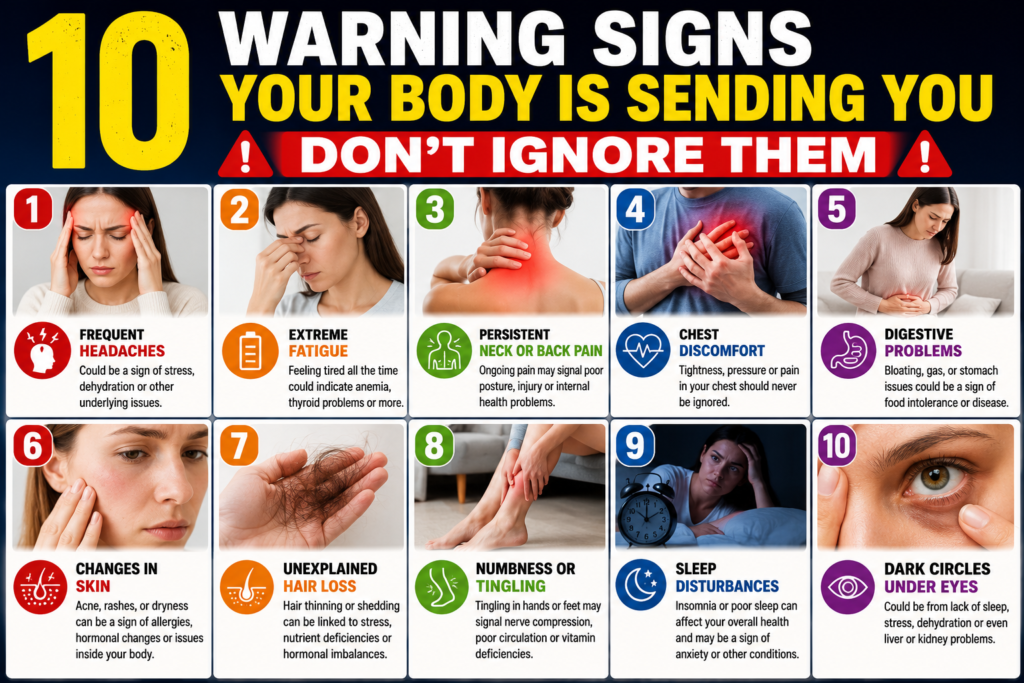
Sign 1 — Unusual and Persistent Fatigue
Feeling tired after a long day is completely normal. But if you wake up exhausted after a full night’s sleep, or feel drained doing simple everyday tasks, that’s a different story. Persistent fatigue that doesn’t go away with rest can be an early indicator of anaemia, thyroid disorders, diabetes, depression, or even heart disease. If unexplained tiredness lasts more than two weeks, it’s time to get checked.
Sign 2 — Sudden or Unexplained Weight Loss
Losing weight without trying might sound like good news — but it isn’t. If you’ve lost more than 5% of your body weight within six months without any changes to your diet or exercise routine, it could signal an underlying condition such as thyroid dysfunction, diabetes, a digestive disorder, or in some cases, cancer. Never dismiss sudden weight loss as a lucky coincidence.
Sign 3 — Chest Pain or Pressure
Any pain, tightness, heaviness, or discomfort in the chest — even if it lasts only a few minutes — must be taken seriously. Many people mistake heart-related chest pain for acidity or gas and wait it out at home. This can be a fatal mistake. Chest discomfort can indicate a heart attack, angina, or lung problems. Do not wait. Seek medical attention immediately.
Sign 4 — Shortness of Breath During Everyday Activities
If climbing a flight of stairs or walking a short distance suddenly leaves you gasping for breath — and this is new for you — your body is sending a clear warning. This could point to asthma, chronic obstructive pulmonary disease (COPD), heart failure, or anaemia. Getting breathless from minor activity is not a normal part of aging and should always be evaluated by a doctor.
Sign 5 — Changes in Bathroom Habits
It may feel uncomfortable to talk about, but changes in your bowel habits are important signals. Constipation or diarrhoea lasting more than two to three weeks, blood in your stool, or a noticeable change in stool colour or consistency can indicate digestive conditions — some of which, like colorectal cancer, are highly treatable when caught early. Don’t let embarrassment stop you from speaking to a doctor.
Sign 6 — Persistent or Severe Headaches
Most headaches are harmless and resolve on their own. However, a headache that occurs daily, one that comes on suddenly with extreme intensity, or one that is accompanied by blurred vision, nausea, confusion, or a stiff neck — these are red flags. Such headaches can indicate high blood pressure, a neurological issue, or in rare cases, a brain aneurysm. When in doubt, always get it checked.
Sign 7 — Changes in Skin — Moles, Rashes, or Yellowing
Your skin often reflects what is happening inside your body. A mole that changes in size, shape, or colour needs to be evaluated for skin cancer. A yellowing of the skin or eyes (jaundice) is a sign of liver dysfunction. Rashes that appear suddenly and spread rapidly can indicate an allergic reaction or an autoimmune condition. Never ignore what your skin is trying to tell you.
Sign 8 — Frequent Urination and Excessive Thirst
If you find yourself drinking water constantly but never feeling fully quenched, and making frequent trips to the bathroom — especially at night — these are classic early warning signs of diabetes. India has one of the highest diabetic populations in the world, and millions are undiagnosed. A simple blood sugar test can give you a clear answer and potentially save your life.
Sign 9 — Swelling in the Legs, Feet, or Ankles
Mild swelling in the feet after a long day of standing or a long flight is normal. But recurring or persistent swelling in the legs, feet, or ankles without an obvious cause can be a sign that your heart, kidneys, or liver are not functioning properly. When these organs are under stress, fluid builds up in the body — and the legs are often the first place it shows.
Sign 10 — Memory Problems or Sudden Confusion
Occasionally forgetting where you placed your keys is perfectly normal. But if you or a loved one is struggling to recognise familiar people or places, losing track of conversations, repeating the same questions repeatedly, or experiencing sudden episodes of confusion — these could be early signs of dementia, Alzheimer’s disease, or another neurological condition. Early diagnosis leads to significantly better outcomes, so don’t delay.
When Should You See a Doctor?
As a general rule, see a doctor if:
- Any symptom lasts more than two weeks
- A symptom comes on suddenly and is intense
- It is affecting your daily life or sleep
- You have a gut feeling something is not right
Trust your instincts. You know your body better than anyone else.
Conclusion
Your body speaks to you every single day. The key is to listen. These warning signs are not meant to cause panic — they are meant to empower you to take action at the right time. Early detection and timely treatment can make all the difference between a manageable condition and a serious health crisis.
At MediConnects Care, we are committed to helping you and your family stay informed, stay proactive, and stay healthy. If you notice any of these signs, do not wait — speak to a healthcare professional today.
Stay informed. Stay healthy. MediConnects Care.
Trusted Health Resources
For more information about common health symptoms and preventive healthcare, visit these trusted organizations:
- World Health Organization (WHO)
- Centers for Disease Control and Prevention (CDC)
- National Institutes of Health (NIH)
blogs links – https://mediconnectcare.com/common-warning-signs-you-should-never-ignore/


Leave Your Comment