

Everything You Need to Know About Thyroid Disorders
- July 3, 2026
- 0 Likes
- 23 Views
- 0 Comments
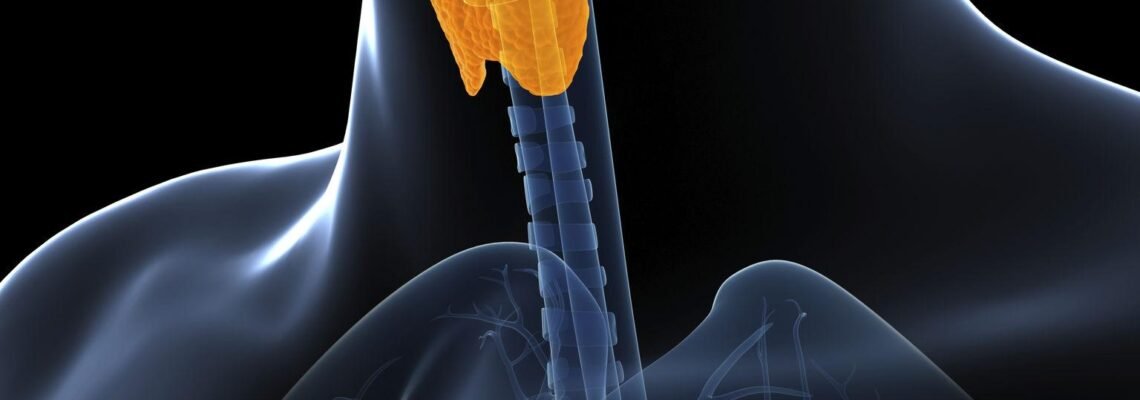
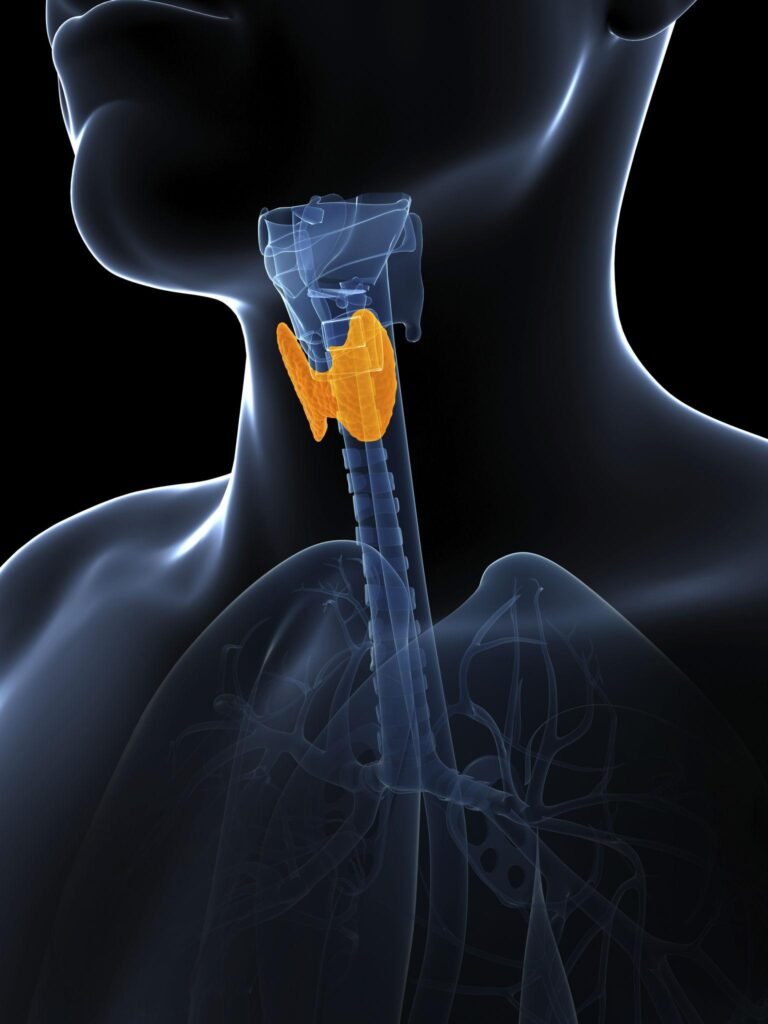
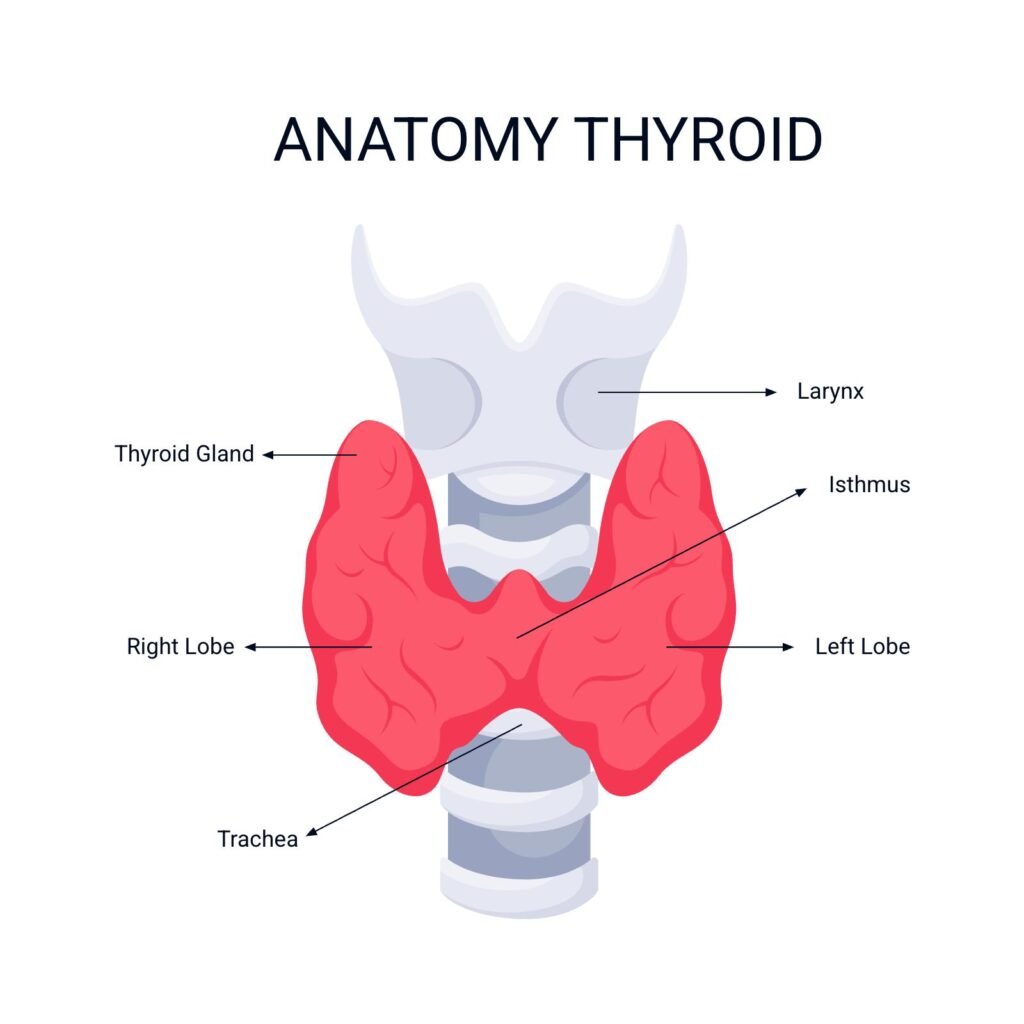
The thyroid is a small, butterfly-shaped gland located at the front of your neck. Despite its size, it plays a major role in regulating metabolism, energy production, body temperature, heart rate, and many other essential functions.
When the thyroid does not produce the right amount of hormones, it can lead to thyroid disorders, which affect millions of people worldwide. These conditions may develop gradually and often have symptoms that are mistaken for stress, aging, or other health problems.
Understanding thyroid disorders can help you recognize early warning signs and seek timely medical care.
What Is the Thyroid?
The thyroid gland produces two main hormones:
- Thyroxine (T4)
- Triiodothyronine (T3)
These hormones help regulate:
- Metabolism
- Heart rate
- Body temperature
- Brain function
- Muscle strength
- Digestion
- Growth and development
The thyroid is controlled by thyroid-stimulating hormone (TSH), which is produced by the pituitary gland.
Common Types of Thyroid Disorders
1. Hypothyroidism (Underactive Thyroid)
Hypothyroidism occurs when the thyroid gland does not produce enough thyroid hormones.
Common Symptoms
- Fatigue
- Weight gain
- Dry skin
- Constipation
- Depression
- Cold intolerance
- Hair thinning
- Puffy face
- Slow heart rate
- Memory problems
2. Hyperthyroidism (Overactive Thyroid)
Hyperthyroidism develops when the thyroid produces too much hormone.
Common Symptoms
- Rapid heartbeat
- Weight loss
- Anxiety
- Tremors
- Sweating
- Difficulty sleeping
- Increased appetite
- Heat intolerance
- Frequent bowel movements
3. Goiter
A goiter is an enlargement of the thyroid gland.
Possible symptoms include:
- Neck swelling
- Difficulty swallowing
- Hoarseness
- Difficulty breathing (in larger goiters)
4. Thyroid Nodules
Thyroid nodules are lumps that develop inside the thyroid gland.
Most are noncancerous, but some may require further evaluation.
5. Thyroid Cancer
Although relatively uncommon, thyroid cancer is often highly treatable, especially when detected early.
Warning signs may include:
- Lump in the neck
- Persistent hoarseness
- Difficulty swallowing
- Enlarged lymph nodes
What Causes Thyroid Disorders?
Common causes include:
- Autoimmune diseases
- Iodine deficiency or excess
- Genetic factors
- Certain medications
- Pregnancy-related hormonal changes
- Radiation exposure
- Thyroid inflammation (thyroiditis)
Risk Factors
Your risk may be higher if you:
- Are female
- Are over 60 years old
- Have a family history of thyroid disease
- Have another autoimmune disorder
- Are pregnant or recently gave birth
- Have received radiation therapy to the neck
Symptoms That Should Not Be Ignored
Seek medical evaluation if you notice:
- Persistent fatigue
- Sudden weight changes
- Neck swelling
- Hair loss
- Irregular heartbeat
- Mood changes
- Difficulty swallowing
- Constant feeling of being cold or unusually warm
How Are Thyroid Disorders Diagnosed?
Doctors may recommend:
- Thyroid-stimulating hormone (TSH) blood test
- Free T4 blood test
- Free T3 blood test
- Thyroid antibody tests
- Thyroid ultrasound
- Radioactive iodine uptake scan (in selected cases)
- Fine-needle aspiration biopsy (for certain thyroid nodules)
Treatment Options
Treatment depends on the specific thyroid disorder and may include:
- Thyroid hormone replacement medication for hypothyroidism
- Antithyroid medications for hyperthyroidism
- Radioactive iodine therapy (in selected cases)
- Surgery for certain thyroid conditions
- Regular monitoring with blood tests
Always take thyroid medication exactly as prescribed and attend follow-up appointments.
Can Thyroid Disorders Be Prevented?
Not all thyroid disorders can be prevented, but you can support thyroid health by:
- Eating a balanced diet
- Getting enough iodine (without excessive intake)
- Attending routine health checkups if you are at increased risk
- Following treatment plans for existing thyroid conditions
- Discussing any concerning symptoms with your healthcare provider
Possible Complications
Without proper treatment, thyroid disorders may lead to:
- Heart disease
- Infertility
- Pregnancy complications
- Osteoporosis
- Depression
- Thyroid storm (a rare medical emergency associated with severe hyperthyroidism)
- Myxedema coma (a rare medical emergency associated with severe hypothyroidism)
When Should You See a Doctor?
Consult a healthcare professional if you experience:
- Persistent fatigue
- Unexplained weight changes
- Neck swelling
- Heart palpitations
- Hair loss
- Difficulty swallowing
- Ongoing mood changes
- Symptoms that interfere with daily life
Frequently Asked Questions 10 Early Signs of Diabetes You Should Never Ignore
Can thyroid disorders be cured?
Some thyroid disorders can be managed effectively with medication or other treatments. Whether a condition is temporary or lifelong depends on the underlying cause.
Are thyroid disorders hereditary?
Genetics can increase the risk of certain thyroid conditions, particularly autoimmune thyroid diseases.
Which thyroid disorder is more common?
Hypothyroidism is generally more common than hyperthyroidism.
Can diet improve thyroid health?
A balanced diet supports overall health, but dietary changes alone usually cannot treat thyroid disease. Follow your healthcare provider’s recommendations regarding nutrition and medication.
Conclusion Mental Health Awareness Gains Momentum in India in 2025
Thyroid disorders can affect many aspects of your health, from energy levels and metabolism to heart function and mood. Because symptoms often develop gradually, early recognition and proper medical evaluation are important.
If you notice persistent symptoms such as fatigue, unexplained weight changes, or neck swelling, consult a qualified healthcare professional. With timely diagnosis and appropriate treatment, many people with thyroid disorders can manage their condition effectively and maintain a good quality of life.


Leave Your Comment