


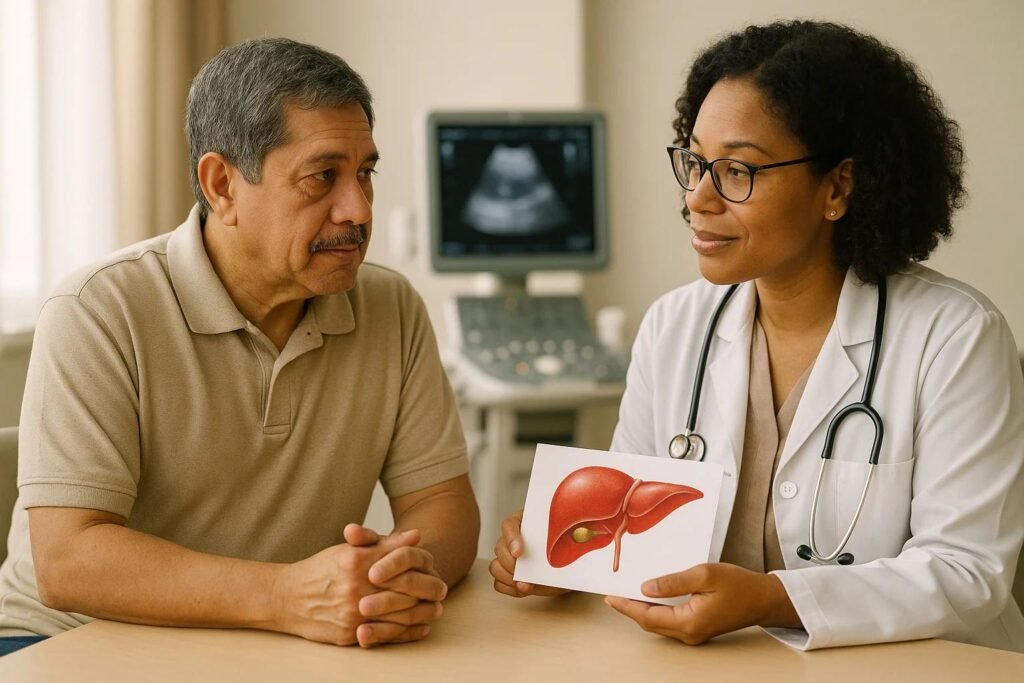
The liver is one of the most important organs in the human body. It performs hundreds of essential functions, including filtering toxins from the blood, producing bile for digestion, storing nutrients, regulating blood sugar, and helping fight infections.
Because the liver works continuously, it can be affected by infections, excessive alcohol use, metabolic conditions, certain medications, and other health problems. Many liver diseases develop gradually and may not cause symptoms in the early stages, making regular health checkups important.
In this guide, you’ll learn about the most common liver diseases, their symptoms, causes, treatment options, and practical ways to protect your liver.

What Does the Liver Do?
The liver helps your body by:
- Removing toxins from the bloodstream
- Producing bile for digestion
- Processing nutrients from food
- Storing vitamins and minerals
- Producing proteins needed for blood clotting
- Supporting the immune system
- Regulating cholesterol and blood sugar levels
10 Common Liver Diseases
Common Liver Diseases
1. Fatty Liver Disease
Fatty liver disease occurs when excess fat builds up in the liver. It may be related to alcohol use or occur in people who drink little or no alcohol.
Symptoms
- Fatigue
- Mild discomfort in the upper right abdomen
- Often no symptoms in early stages
2. Hepatitis
Common Liver Diseases
Hepatitis is inflammation of the liver. It can be caused by viruses, alcohol, medications, autoimmune conditions, or toxins.
Common Symptoms
- Fever
- Fatigue
- Nausea
- Yellowing of the skin and eyes (jaundice)
- Dark urine
3. Cirrhosis
Common Liver Diseases
Cirrhosis is advanced scarring of the liver caused by long-term damage.
Symptoms
- Swelling in the legs
- Abdominal swelling
- Easy bruising
- Fatigue
- Jaundice
4. Liver Cancer
Liver cancer may develop in people with chronic liver disease or cirrhosis, although it can also occur for other reasons.
Warning Signs
- Unexplained weight loss
- Loss of appetite
- Persistent abdominal pain
- Jaundice
5. Alcohol-Related Liver Disease
Excessive alcohol use over time can damage liver cells and lead to inflammation, fatty liver, hepatitis, or cirrhosis.
6. Autoimmune Hepatitis
This condition occurs when the immune system mistakenly attacks liver cells.
7. Hemochromatosis
Hemochromatosis is a condition in which the body absorbs and stores too much iron, which can damage the liver and other organs.
8. Wilson Disease
Wilson disease is a rare inherited disorder that causes copper to build up in the liver, brain, and other tissues.

9. Drug-Induced Liver Injury
Some prescription medications, over-the-counter medicines, herbal products, and supplements can damage the liver in certain individuals.
10. Liver Abscess
A liver abscess is a pocket of infection within the liver that requires prompt medical evaluation and treatment.
Common Symptoms of Liver Disease
Symptoms vary depending on the cause but may include:
- Fatigue
- Jaundice (yellow skin and eyes)
- Dark urine
- Pale stools
- Abdominal pain
- Swelling of the abdomen or legs
- Nausea
- Vomiting
- Loss of appetite
- Unexplained weight loss
- Itchy skin
Risk Factors
Your risk may be higher if you:
- Drink excessive alcohol
- Have obesity
- Have type 2 diabetes
- Have viral hepatitis
- Use injected drugs or share needles
- Take certain medications without medical guidance
- Have a family history of inherited liver diseases
How Are Liver Diseases Diagnosed?
Healthcare providers may recommend:
- Liver function blood tests
- Ultrasound
- CT scan or MRI
- Fibrosis assessment (when appropriate)
- Liver biopsy (in selected cases)
Treatment Options
Treatment depends on the specific liver disease and may include:
- Lifestyle changes
- Weight management
- Limiting or avoiding alcohol
- Antiviral medications (for certain viral hepatitis infections)
- Immunosuppressive medicines (for autoimmune hepatitis)
- Surgery or other procedures in selected cases
- Liver transplantation for advanced liver failure in eligible patients
Always follow your healthcare provider’s treatment plan and never stop or start medications without medical advice.
Prevention Tips
You can reduce your risk of liver disease by:
- Maintaining a healthy weight
- Eating a balanced diet
- Exercising regularly
- Limiting or avoiding alcohol
- Getting vaccinated against hepatitis A and hepatitis B when recommended
- Practicing safe sex
- Avoiding sharing needles
- Using medications only as directed
- Avoiding unnecessary herbal supplements with unknown safety
- Attending regular health checkups if you have risk factors
When Should You See a Doctor?
Seek medical evaluation if you have:
- Persistent abdominal pain
- Yellowing of the skin or eyes
- Dark urine
- Unexplained fatigue
- Persistent nausea or vomiting
- Swelling of the abdomen
- Unexplained weight loss
Seek emergency medical care for severe confusion, vomiting blood, or black stools, as these may indicate serious liver complications.
Frequently Asked Questions 10 Early Signs of Diabetes You Should Never Ignore
Can liver disease be reversed?
Some liver conditions, such as early fatty liver disease, may improve with lifestyle changes. Advanced scarring (cirrhosis) is generally not reversible, but treatment may slow progression.
Does liver disease always cause symptoms?
No. Many liver diseases are silent in the early stages and may only be detected through routine blood tests or imaging.
Can a healthy diet protect the liver?
A balanced diet, maintaining a healthy weight, and limiting alcohol can reduce the risk of several liver diseases.
Is alcohol the only cause of liver disease?
No. Viral infections, metabolic disorders, autoimmune diseases, inherited conditions, medications, and other factors can also affect the liver.
Conclusion 10 Essential Health Checkups Every Adult Should Get Annually
The liver is essential for overall health, and many liver diseases can progress without noticeable symptoms. Understanding the common types of liver disease, recognizing warning signs, and adopting healthy lifestyle habits can help protect your liver and reduce the risk of serious complications.
If you experience symptoms such as jaundice, persistent fatigue, or abdominal pain, consult a qualified healthcare professional for evaluation and appropriate care.


Leave Your Comment