

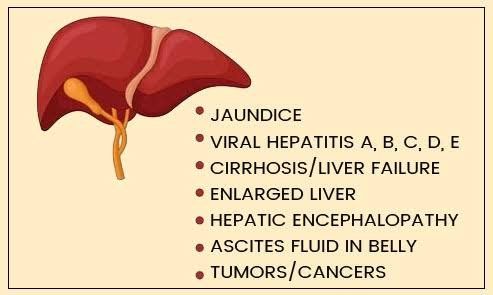
Common Liver Diseases
The liver is one of the most important organs in the human body. It performs more than 500 essential functions, including filtering toxins, producing bile for digestion, storing nutrients, regulating blood sugar levels, and supporting the immune system. Because of its vital role, keeping your liver healthy is essential for overall well-being.
Unfortunately, liver diseases are becoming increasingly common due to unhealthy lifestyles, viral infections, obesity, excessive alcohol consumption, and certain medical conditions. Many liver diseases develop silently without obvious symptoms, making early detection and prevention extremely important.
In this article, we’ll discuss the 10 most common liver diseases, their causes, symptoms, treatment options, and practical prevention tips to help protect your liver.
What Is Liver Disease?
Common Liver Diseases
Liver disease refers to any condition that damages the liver or affects its ability to function properly. Liver problems may be temporary or long-term and can range from mild inflammation to severe liver failure.
If left untreated, some liver diseases may lead to permanent liver damage, known as cirrhosis, or even liver cancer.
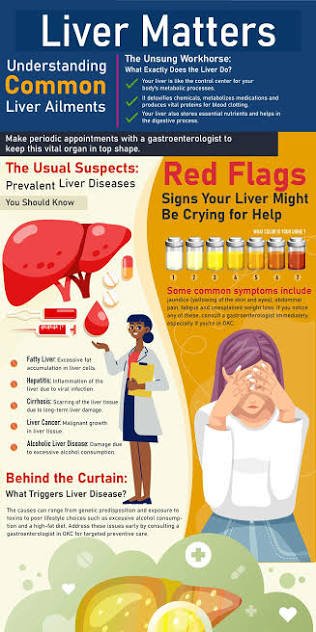
1. Fatty Liver Disease
Fatty liver disease occurs when excess fat accumulates inside liver cells.
There are two main types:
- Non-alcoholic fatty liver disease (NAFLD)
- Alcohol-related fatty liver disease
Symptoms
- Fatigue
- Mild pain in the upper right abdomen
- Weakness
- Often no symptoms in the early stages
Prevention
- Maintain a healthy weight
- Exercise regularly
- Limit sugary foods
- Avoid excessive alcohol
- Common Liver Diseases
2. Hepatitis
Hepatitis is inflammation of the liver caused by viruses, alcohol, autoimmune diseases, or certain medications.
Common types include:
- Hepatitis A
- Hepatitis B
- Hepatitis C
Symptoms
- Fever
- Fatigue
- Loss of appetite
- Nausea
- Dark urine
- Yellowing of the skin and eyes (jaundice)
Prevention
- Vaccination (where available)
- Safe food and water
- Safe sex practices
- Avoid sharing needles
- Common Liver Diseases
3. Cirrhosis 10 Early Signs of Diabetes You Should Never Ignore
Cirrhosis develops when healthy liver tissue is replaced by scar tissue, reducing the liver’s ability to function.
Symptoms
- Swollen abdomen
- Swollen legs
- Easy bruising
- Persistent fatigue
- Jaundice
Prevention
- Treat liver disease early
- Avoid heavy alcohol consumption
- Maintain a healthy lifestyle
4. Liver Cancer https://www.who.int/health-topics/hepatitis
Liver cancer often develops in people with chronic liver disease or cirrhosis.
Symptoms
- Unexplained weight loss
- Persistent abdominal pain
- Loss of appetite
- Fatigue
- Jaundice
Prevention
- Control hepatitis infections
- Avoid excessive alcohol
- Manage fatty liver disease
- Attend regular medical checkups if at high risk
5. Alcohol-Related Liver Disease
Long-term excessive alcohol use damages liver cells and may lead to fatty liver, hepatitis, and cirrhosis.
Symptoms
- Fatigue
- Abdominal discomfort
- Jaundice
- Swelling of the abdomen
Prevention
- Avoid excessive alcohol consumption
- Seek support if reducing alcohol intake is difficult
6. Autoimmune Hepatitis
This condition occurs when the immune system mistakenly attacks healthy liver tissue.
Symptoms
- Joint pain
- Fatigue
- Jaundice
- Abdominal discomfort
Prevention
There is no known way to prevent autoimmune hepatitis, but early diagnosis and treatment can help reduce liver damage.
7. Hemochromatosis
Hemochromatosis is an inherited condition that causes excessive iron to build up in the body, particularly in the liver.
Symptoms
- Joint pain
- Weakness
- Fatigue
- Abdominal pain
Prevention
People with a family history should discuss screening with their healthcare provider.
8. Wilson Disease
Wilson disease is a rare inherited disorder in which copper accumulates in the liver and other organs.
Symptoms
- Liver problems
- Tremors
- Difficulty speaking
- Personality or mood changes
Prevention
Early diagnosis through family screening can improve outcomes.
9. Drug-Induced Liver Injury
Certain prescription medications, over-the-counter medicines, herbal products, and supplements can damage the liver.
Prevention
- Take medicines exactly as prescribed
- Avoid combining medications without medical advice
- Inform your healthcare provider about all supplements you use
10. Liver Abscess
A liver abscess is a pocket of infection within the liver that requires prompt medical treatment.
Symptoms
- Fever
- Chills
- Abdominal pain
- Nausea
- Fatigue
Prevention
Treat infections promptly and follow good hygiene practices.
Common Symptoms of Liver Disease
Although symptoms vary depending on the condition, common warning signs include:
- Persistent fatigue
- Yellowing of the skin or eyes
- Dark-colored urine
- Pale stools
- Swelling in the abdomen or legs
- Nausea and vomiting
- Unexplained weight loss
- Loss of appetite
- Itchy skin
- Pain in the upper right side of the abdomen
Risk Factors
You may have a higher risk of liver disease if you:
- Have obesity
- Have type 2 diabetes
- Drink excessive alcohol
- Smoke
- Have chronic viral hepatitis
- Take certain medications for long periods
- Have a family history of liver disease
- Have high cholesterol
How Are Liver Diseases Diagnosed?
Healthcare professionals may recommend:
- Liver function blood tests
- Ultrasound
- CT scan
- MRI
- Fibrosis assessment
- Liver biopsy (when appropriate)
Treatment Options
Treatment depends on the underlying cause and severity of the condition. It may include:
- Lifestyle modifications
- Healthy weight management
- Prescription medications
- Antiviral therapy for certain hepatitis infections
- Surgery in selected cases
- Liver transplantation for advanced liver failure
Always follow your healthcare provider’s advice and never stop prescribed medication without consultation.
How to Keep Your Liver Healthy
Simple lifestyle changes can significantly reduce your risk of liver disease:
- Eat a balanced diet rich in fruits, vegetables, and whole grains.
- Exercise for at least 150 minutes each week.
- Maintain a healthy body weight.
- Limit or avoid alcohol.
- Stay hydrated.
- Get vaccinated against hepatitis A and B if recommended.
- Practice safe sex.
- Avoid sharing needles.
- Use medications responsibly.
- Schedule regular health checkups.
When Should You See a Doctor?
Consult a healthcare professional if you experience:
- Yellowing of the skin or eyes
- Persistent abdominal pain
- Swelling of the abdomen
- Dark urine
- Ongoing fatigue
- Unexplained weight loss
- Persistent nausea or vomiting
Seek emergency medical care immediately if you develop confusion, vomit blood, or notice black, tarry stools.
Frequently Asked Questions
Can liver disease be cured?
Some liver diseases, such as early fatty liver disease, may improve with lifestyle changes. Others require long-term treatment and monitoring.
Does liver disease always cause symptoms?
No. Many liver diseases remain symptom-free until significant liver damage has occurred.
Can a healthy diet prevent liver disease?
A healthy diet, regular exercise, and maintaining a healthy weight can reduce the risk of several liver conditions.
Is alcohol the only cause of liver disease?
No. Viral infections, obesity, diabetes, inherited disorders, autoimmune diseases, and certain medications can also affect the liver.
Conclusion
Your liver performs hundreds of essential functions every day, making it one of the most important organs in your body. Understanding the most common liver diseases and recognizing their warning signs can help you seek timely medical care and prevent serious complications.
Adopting healthy lifestyle habits, limiting alcohol, maintaining a balanced diet, staying physically active, and attending regular health checkups are some of the best ways to protect your liver. If you experience persistent symptoms or have risk factors for liver disease, consult a qualified healthcare professional for evaluation and guidance.
Disclaimer: This article is intended for educational purposes only and should not replace professional medical advice, diagnosis, or treatment. Always consult a qualified healthcare provider regarding any health concerns.


Leave Your Comment