

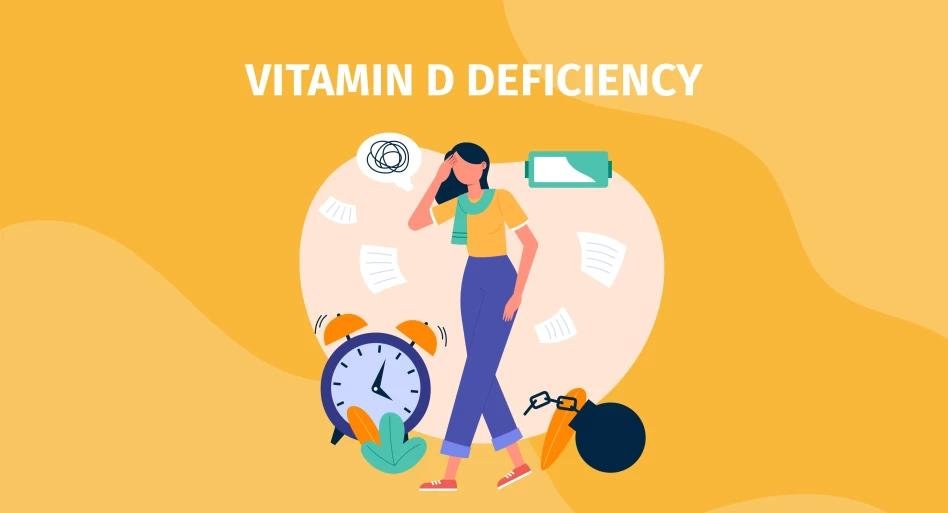
Symptoms of Vitamin D Deficiency: 12 Warning Signs You Should Never Ignore
Symptoms of Vitamin D Deficiency
Vitamin D is an essential nutrient that helps your body absorb calcium, maintain strong bones, support muscle function, and contribute to a healthy immune system. Unfortunately, vitamin D deficiency is common and may go unnoticed because symptoms can develop gradually.
Recognizing the early signs can help you seek medical advice and prevent long-term health complications.
What Is Vitamin D Deficiency?
Symptoms of Vitamin D Deficiency
Vitamin D deficiency occurs when your body doesn’t have enough vitamin D to function properly. This can happen due to inadequate sun exposure, poor dietary intake, certain medical conditions, or problems absorbing nutrients.
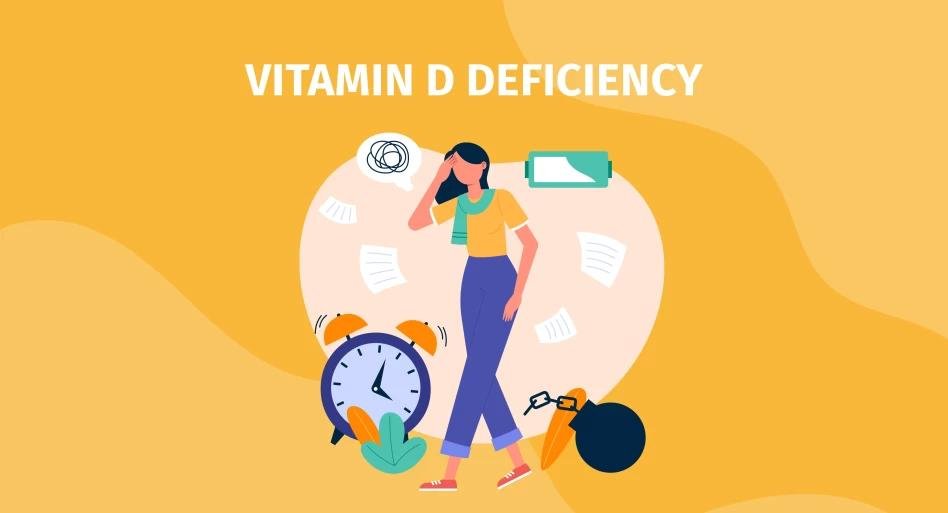
12 Common Symptoms of Vitamin D Deficiency
Symptoms of Vitamin D Deficiency
1. Constant Fatigue
Symptoms of Vitamin D Deficiency
Feeling tired or lacking energy despite getting enough sleep may be associated with low vitamin D levels.
2. Bone Pain
Persistent pain in the bones, especially in the back, hips, legs, or ribs, can be a symptom of deficiency.
3. Muscle Weakness
Weak muscles may make climbing stairs, standing up, or lifting objects more difficult.
4. Frequent Illnesses
Vitamin D supports immune function. Low levels may be linked with more frequent infections in some people.
5. Slow Wound Healing
Cuts and wounds that heal more slowly than expected may be associated with vitamin D deficiency.
6. Hair Loss
While hair loss has many causes, vitamin D deficiency may contribute in some cases.
7. Mood Changes
Some people with low vitamin D experience low mood or symptoms of depression, although many factors can affect mental health.
8. Back Pain
Chronic lower back pain has been associated with vitamin D deficiency in some individuals.
9. Bone Fractures
Weak bones caused by prolonged deficiency may increase the risk of fractures.
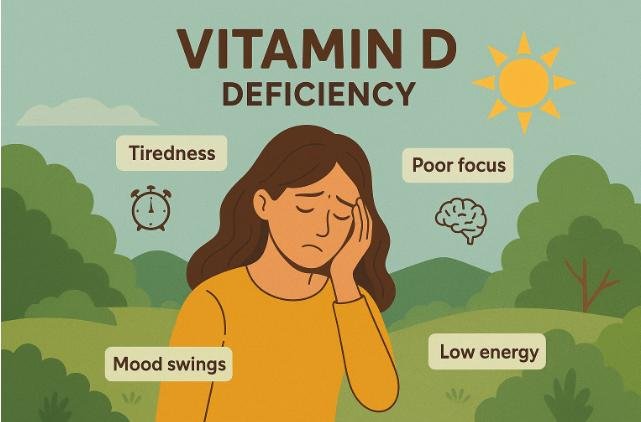
10. Muscle Cramps
Recurring muscle cramps or aches can sometimes occur when vitamin D levels are low.
11. Difficulty Walking
Older adults with deficiency may experience balance problems or difficulty walking due to muscle weakness.
12. Poor Bone Health
Long-term deficiency may lead to softer or weaker bones, increasing the risk of conditions such as osteoporosis in adults.
Common Causes
- Limited sunlight exposure
- Low intake of vitamin D-rich foods
- Darker skin pigmentation
- Older age
- Obesity
- Kidney or liver disorders
- Conditions that reduce nutrient absorption, such as certain intestinal diseases
- Certain medications that affect vitamin D metabolism
Risk Factors
You may be at higher risk if you:
- Spend little time outdoors
- Wear clothing that covers most of your skin
- Are over 65 years old
- Are pregnant or breastfeeding
- Have obesity
- Have digestive disorders affecting nutrient absorption
- Follow diets low in vitamin D-rich foods
Foods Rich in Vitamin D
Include these foods in a balanced diet:
- Fatty fish (salmon, sardines, mackerel)
- Egg yolks
- Fortified milk
- Fortified cereals
- Fortified plant-based milk
- Mushrooms exposed to UV light
How Is Vitamin D Deficiency Diagnosed?
Healthcare professionals usually diagnose vitamin D deficiency with a blood test that measures vitamin D levels. Additional tests may be recommended depending on your symptoms and overall health.

Treatment 10 Early Signs of Diabetes You Should Never Ignore
Treatment depends on the severity of the deficiency and may include:
- Safe sun exposure as recommended
- Vitamin D-rich foods
- Vitamin D supplements prescribed or recommended by a healthcare professional
- Regular follow-up blood tests when necessary
Do not start high-dose vitamin D supplements without medical advice, as excessive vitamin D can also be harmful.
Prevention Tips https://ods.od.nih.gov
- Spend time outdoors safely.
- Eat foods naturally rich in vitamin D.
- Choose fortified foods when appropriate.
- Exercise regularly.
- Maintain a healthy weight.
- Discuss supplements with your healthcare provider if you are at risk.
When Should You See a Doctor?
Consult a healthcare professional if you experience:
- Persistent fatigue
- Ongoing bone or muscle pain
- Frequent fractures
- Recurrent infections
- Muscle weakness affecting daily activities
A simple blood test can help determine whether vitamin D deficiency is contributing to your symptoms.
Frequently Asked Questions
Can vitamin D deficiency cause tiredness?
Yes. Fatigue is one of the commonly reported symptoms, although it can have many other causes.
How long does it take to correct vitamin D deficiency?
The time varies depending on the severity of the deficiency, treatment plan, and individual health factors. Your healthcare provider can guide you based on follow-up blood tests.
Can I get enough vitamin D from sunlight alone?
Some people can, but factors such as season, latitude, skin tone, sunscreen use, and time spent outdoors affect vitamin D production.
Is vitamin D deficiency common?
Yes. It is common worldwide and may affect people of all ages.
Conclusion
Vitamin D plays an important role in maintaining strong bones, healthy muscles, and a well-functioning immune system. Recognizing the symptoms of vitamin D deficiency—such as fatigue, bone pain, muscle weakness, and frequent illness—can help you seek timely medical advice and treatment.
Maintaining a balanced diet, getting appropriate sunlight exposure, and following your healthcare provider’s recommendations can help support healthy vitamin D levels.


Leave Your Comment